Can You Put a Memory Foam Mattress on Box Springs?
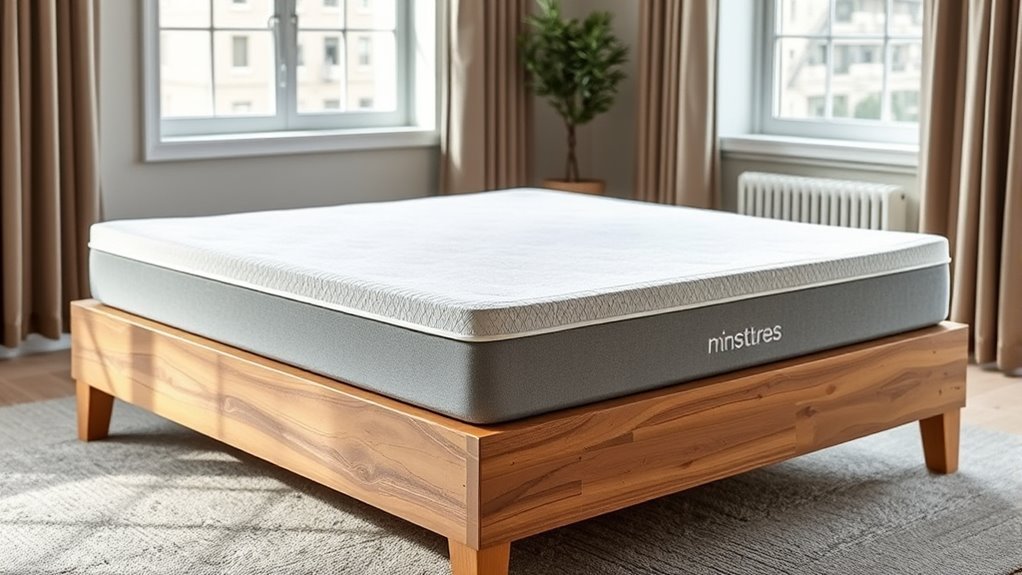
You can put a memory foam mattress on box springs, but only if the box springs are firm, flat, and provide even support. Not all box springs are created equal, so it’s important to check yours before placing your memory foam mattress on top.
Many box springs have gaps or flexible slats that can cause sagging, which might damage your memory foam over time.
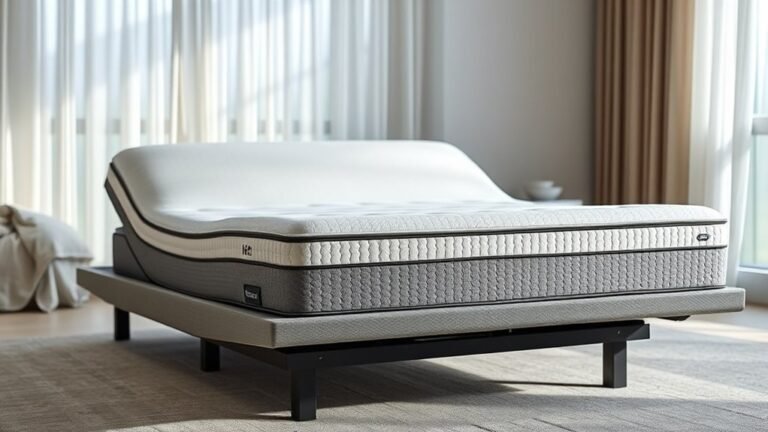
To keep your mattress comfortable and lasting longer, choose a foundation that offers solid support. Options like a platform bed or a compatible adjustable base work really well. They help maintain the shape and longevity of your mattress.
If you want to get the most out of your memory foam mattress, keep exploring. There are plenty of great options and maintenance tips that can help you enjoy a better night’s sleep for years to come.
Key Takeaways
- Memory foam mattresses need firm, flat support. So, your box springs must be solid and closely spaced to avoid sagging and damage.
- Many manufacturers actually suggest using platform beds or solid foundations instead of traditional box springs for memory foam mattresses.
- Box springs that have wide gaps or flexible structures can lead to uneven support. This not only reduces comfort but can also shorten your mattress’s lifespan.
- If you use a box spring that’s not compatible, you might even void your mattress warranty because it doesn’t provide proper support.
- It’s a good idea to regularly check and maintain your foundation. This helps ensure even support and keeps your memory foam mattress durable for longer.
Why Memory Foam Mattresses Need Different Support
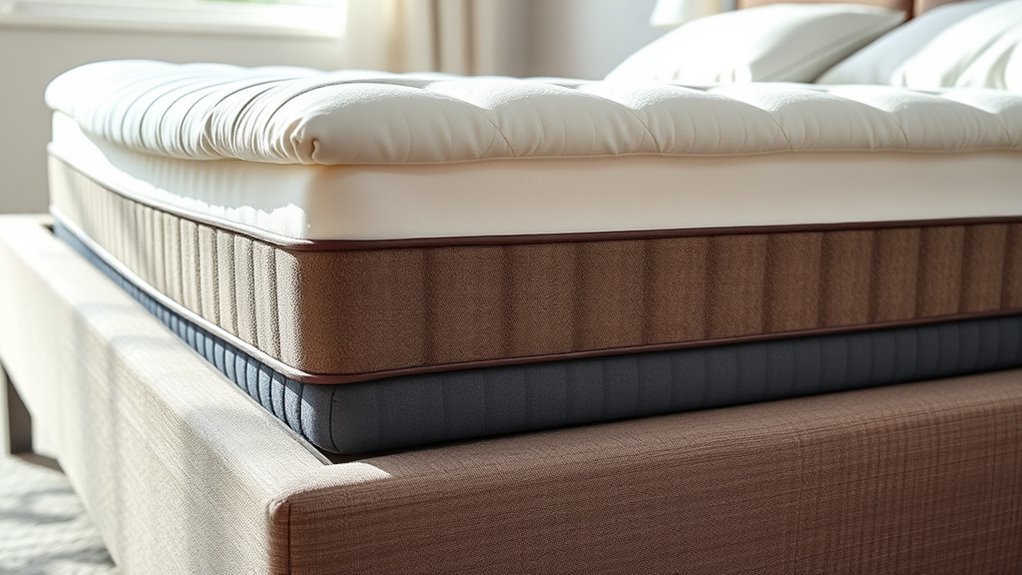
Because memory foam mattresses rely on their material to contour and support your body, they need a firm, flat surface to maintain their shape and prevent sagging. Unlike traditional mattresses, a memory foam mattress needs a solid foundation to evenly distribute your weight and meet its unique support requirements.
If the base is uneven or has wide gaps, like some slatted bases, the mattress can develop pressure points or lose structural integrity. To keep your mattress comfortable and durable, choose foundations with closely spaced slats or platform beds that provide stable, consistent support.
Meeting these support requirements ensures your memory foam mattress performs at its best and lasts longer. This way, you avoid discomfort caused by sagging or insufficient backing.
What Is a Box Spring?
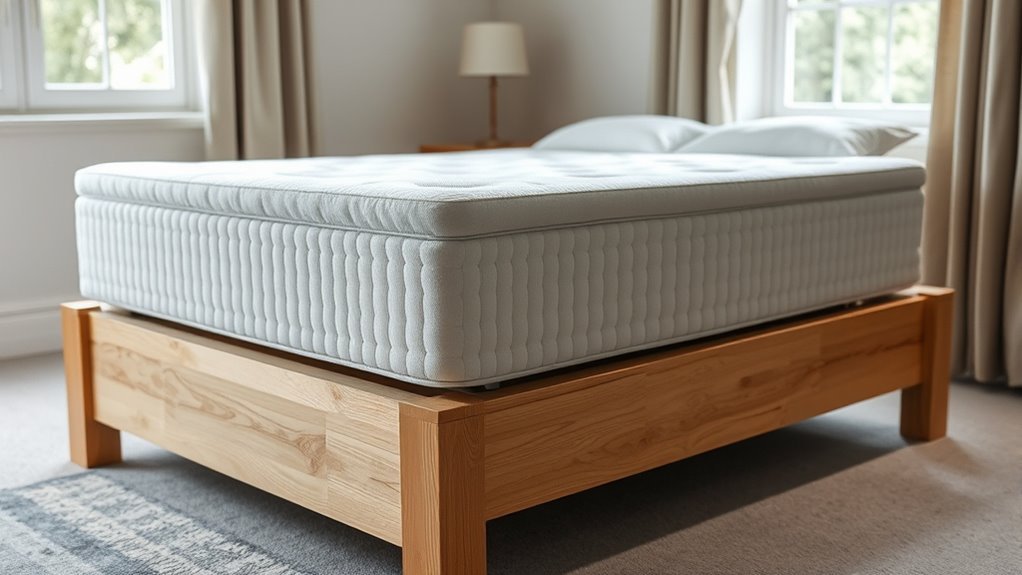
While you might not think much about what lies beneath your mattress, a box spring plays an essential role in your bed’s overall support system.
A box spring is a sturdy foundation made of a wooden or metal frame with springs inside, designed to support the mattress from underneath. It sits directly on a bed frame or the floor, providing cushioning and elevating the mattress to improve support and airflow.
| Feature | Description | Purpose |
|---|---|---|
| Frame | Wooden or metal | Structural foundation |
| Springs | Internal coils | Shock absorption and support |
| Fabric Cover | Encloses the frame and springs | Protection and durability |
This setup is common with innerspring mattresses but may affect memory foam differently. Just something to keep in mind when choosing your bed components!
Is a Box Spring Safe for Memory Foam Mattresses?
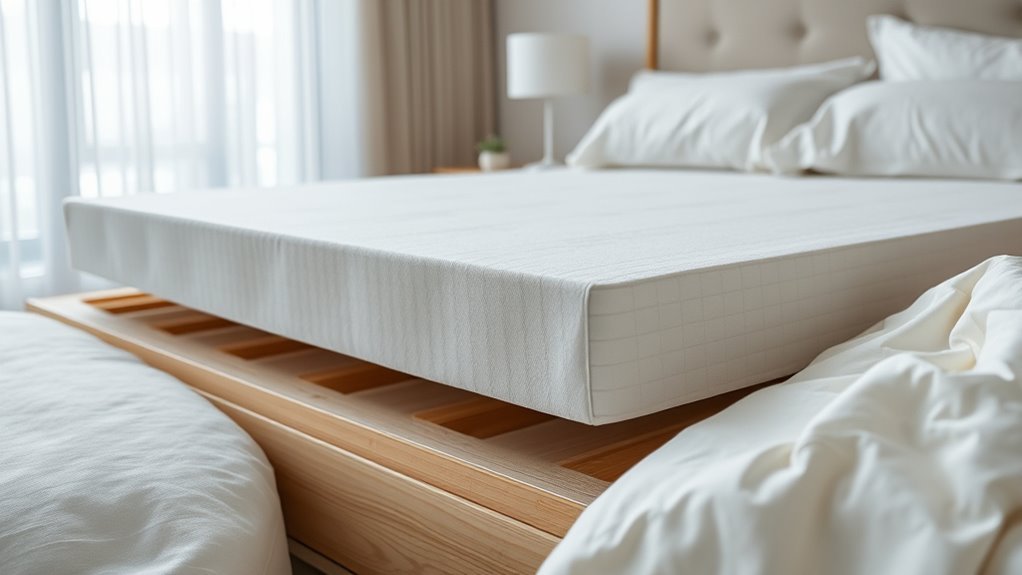
If you want your memory foam mattress to last and feel comfortable, you need to make sure your box spring provides firm, flat support. A box spring with a solid or closely spaced slats foundation offers the necessary support to prevent sagging and uneven wear.
Avoid box springs that flex or have wide gaps, as they can compromise your mattress’s integrity. Many manufacturers recommend using a firm foundation to keep your mattress performing at its best and to maintain warranty coverage.
Before placing your memory foam mattress on a box spring, check that it’s sturdy and offers consistent support across the entire surface. This way, you’ll protect your investment and enjoy a comfortable night’s sleep for years to come.
Problems Box Springs Cause for Memory Foam Mattresses
Though box springs have long supported traditional mattresses, they often cause problems when paired with memory foam. You’ll find that box springs usually lack a solid, flat surface, which leads to uneven support.
This can cause indents and sagging in your memory foam mattress, damaging its structure over time. The flexible nature of box springs means they flex and move, compromising the dense foam’s integrity and shortening its lifespan.
Additionally, inadequate support from box springs can create dips that make your mattress less comfortable and less durable. If you rely on box springs, you might also risk voiding your mattress warranty since many manufacturers require firm, flat foundations.
For these reasons, box springs often aren’t the best choice to support memory foam mattresses.
When Should You Use a Box Spring With Memory Foam?
Box springs often cause issues for memory foam mattresses, but there are specific situations where using one makes sense. If your bed frame has five or fewer slats, a box spring can provide the necessary support to prevent sagging and protect your memory foam mattress.
Also, if the manufacturer recommends a box spring or foundation, you should use it to keep your warranty valid. A box spring can raise your mattress to a comfortable height and improve airflow underneath, which helps with mattress longevity.
However, if you have a supportive platform frame or adjustable base, a box spring isn’t usually needed. Ultimately, use a box spring only when your current support is insufficient or when the foundation is required for proper memory foam care.
Best Alternatives to Box Springs for Memory Foam Mattresses
When you want to support your memory foam mattress without a box spring, several solid alternatives can offer the stability and ventilation it needs. Platform beds provide a flat, sturdy base, while slatted bases ensure airflow when slats are spaced no more than 3 inches apart.
Bunkie boards add a strong, rigid layer of support on existing frames, and adjustable bases offer customizable positioning with reliable support. Each option helps maintain mattress integrity and distributes weight evenly.
| Alternative | Description | Key Benefit |
|---|---|---|
| Platform Beds | Flat, solid surface | Stable support |
| Slatted Bases | Slats spaced ≤ 3 inches | Ventilation + support |
| Bunkie Boards | Thin, rigid panels | Extra support layer |
| Adjustable Bases | Customizable positioning | Flexible support |
How to Choose the Right Foundation for Your Memory Foam Mattress
When choosing the right foundation for your memory foam mattress, focus on support type and mattress compatibility. You’ll want a flat, solid surface or closely spaced slats to prevent sagging and maintain comfort.
It’s also a good idea to consider your mattress’s flexibility and manufacturer recommendations. That way, you can make sure the foundation fits perfectly.
Foundation Types Explained
How do you choose the right foundation for your memory foam mattress? Understanding foundation types is key. Avoid traditional box springs, as their uneven support can cause sagging.
Instead, opt for a flat, solid surface like a platform bed or a slatted base with closely spaced slats. These offer even, firm support essential for memory foam.
You can also create a custom foundation using materials like plywood or OSB to guarantee proper support. Adjustable bases work well too, providing flexible support options without needing a box spring.
Choosing the right foundation type helps maintain your mattress’s comfort and extends its lifespan by preventing damage caused by uneven or insufficient support. So, prioritize steady, reliable support when selecting your foundation.
Support Requirements Overview
Since memory foam mattresses rely heavily on consistent support, choosing a firm, flat foundation is essential to prevent sagging and maintain comfort. You want a foundation that provides even support across the entire mattress surface.
Platform beds and solid foundations work well because they don’t flex under weight. If you prefer a slatted base, make sure the slats are sturdy and spaced closely together, no more than 3 inches apart, to avoid gaps that cause sagging.
Traditional box springs aren’t ideal unless your mattress manufacturer explicitly approves them, as they tend to be too flexible. It’s a good idea to regularly check your foundation for any signs of wear or unevenness.
That way, you keep your mattress properly supported and extend its lifespan. Proper support really keeps your memory foam mattress comfortable and durable.
Choosing Based On Mattress
Choosing the right foundation for your memory foam mattress depends largely on the mattress’s design and support needs. Memory foam mattresses need a firm, flat foundation to avoid sagging and maintain shape.
While box springs can work, they often lack the solid support these mattresses require. Platforms or slatted bases with slats no more than 3 inches apart offer better support and airflow.
Adjustable bases are also an option if your mattress allows bending and the manufacturer approves. It’s all about making sure your mattress gets the support it needs to last.
| Foundation Type | Memory Foam Compatibility |
|---|---|
| Platform Bed | Excellent solid support |
| Box Springs | Acceptable if firm and strong |
| Adjustable Base | Suitable if mattress is flexible |
Choose a foundation that provides even support for lasting comfort and durability.
Can Adjustable Bases Work With Memory Foam Mattresses?
Although not all memory foam mattresses are designed to bend, many work well with adjustable bases that let you customize your sleeping position for better comfort. When considering adjustable bases, compatibility is key.
You should check your mattress’s flexibility, thickness, and most importantly, manufacturer recommendations to guarantee proper support. Using an adjustable base that isn’t approved by the mattress brand might void your warranty or cause damage.
These bases are especially helpful for memory foam since they can relieve pressure points and improve circulation, enhancing your overall sleep quality. To get the best results, always follow the manufacturer’s guidelines and verify that your mattress is designed to work with an adjustable base.
This way, you protect your investment and enjoy maximum comfort every night.
Risks of Inadequate Support for Memory Foam Mattresses
If your memory foam mattress doesn’t get proper support, it can start sagging and developing permanent dips that make sleep uncomfortable. Using a box spring with uneven or wide-spaced slats might also void your warranty, leaving you unprotected.
Plus, uneven weight distribution can wear down the foam faster. This ends up cutting your mattress’s lifespan short, which is something you definitely want to avoid.
Mattress Sagging Risks
When a memory foam mattress doesn’t get proper support, it can quickly develop sagging and permanent indentations that ruin its comfort. Mattress sagging often happens when your support system—whether box springs or another foundation—has wide gaps or lacks firmness.
These unsupported areas cause your mattress to dip, especially in the middle, leading to misalignment and reduced sleep quality. Using a box spring that’s not designed for memory foam increases the risk of premature sagging and shortens your mattress’s lifespan.
To avoid this, regularly check your foundation and replace worn-out parts to maintain even support. By ensuring your mattress rests on a sturdy, flat surface, you protect its integrity and enjoy better comfort over time without dealing with frustrating dips or indentations.
Warranty Voiding Concerns
Because your memory foam mattress relies on proper support to maintain its shape and comfort, using an incompatible or unstable box spring can lead to damage that voids your warranty. Mattress manufacturers often require a specific support foundation to keep warranty coverage valid.
If your box spring doesn’t meet these criteria, sagging or dips may occur, which manufacturers typically consider user damage. This means your warranty claim could be denied.
Some warranties explicitly warn that placing a memory foam mattress on an improper foundation, like an unsuitable box spring, results in voiding the warranty. To avoid this, always use the support foundation recommended by the manufacturer, such as a solid platform or a properly supported slatted base.
That way, your mattress stays protected and your warranty remains intact.
Uneven Weight Distribution
Although memory foam mattresses offer excellent comfort, they require consistent, firm support to function properly. Uneven support from a box spring with gaps or weak spots leads to uneven weight distribution, causing pressure points and discomfort.
This can damage the mattress’s shape and reduce its lifespan. A flat surface prevents sagging and maintains support integrity.
| Problem | Cause | Effect |
|---|---|---|
| Sagging | Uneven support | Mattress shape distortion |
| Pressure points | Gaps in box spring | Discomfort during sleep |
| Reduced lifespan | Weight concentration | Premature wear and motion transfer |
To avoid these issues, make sure your mattress rests on a solid, flat surface that evenly supports your weight. It really makes a difference in how comfortable and long-lasting your mattress will be.
Tips for Maintaining Your Memory Foam Mattress Foundation
To keep your memory foam mattress foundation in top shape, you’ll want to choose a solid, flat base like a platform bed or a reinforced slatted frame that offers consistent support. Avoid box springs with wide gaps between slats, as these can create unsupported spots that cause sagging and damage your mattress.
Make it a habit to regularly inspect your foundation for broken slats or uneven surfaces. If you spot any issues, fix or replace them promptly to keep everything sturdy.
Every now and then, elevate your mattress to improve airflow and reduce moisture buildup. This helps prevent weakening of the foundation over time.
Using a mattress protector is a smart move—it shields your mattress from spills and allergens and also helps preserve the foundation beneath.
Follow these tips, and you’ll guarantee your memory foam mattress stays properly supported and lasts longer.
Frequently Asked Questions
What Is the Best Thing to Put Under a Memory Foam Mattress?
The best thing to put under your memory foam mattress is a solid, flat surface like a platform bed or a sturdy plywood board. This prevents sagging and guarantees even support.
It also helps keep your mattress in great shape for longer. So, you’re basically protecting your investment while making sure you get the best sleep possible.
Why Are People No Longer Buying Memory Foam Mattresses?
You’re seeing fewer people buy memory foam mattresses because they trap heat, can smell off-gassing chemicals, and often cost more.
You might prefer cooler, affordable, or hybrid options that offer better support and breathability. It just makes sense to go for something that feels more comfortable and fits your budget.
What Happens if You Don’t Wait 48 Hours for Memory Foam?
If you don’t wait 48 hours, your memory foam mattress feels like a wilted flower—compressed and uneven.
You’ll notice chemical odors, discomfort, and less support, which steals the full cozy embrace you deserve during sleep.
Trust me, giving it that time really makes all the difference. Your mattress needs to fully expand and air out before it’s ready for you!
Why Are Box Springs No Longer Used?
Box springs aren’t used much anymore because they don’t provide the firm, flat support modern mattresses need.
You’ll get better durability and comfort using platform beds or solid foundations that suit memory foam and similar designs.
These options really help your mattress last longer and feel more comfortable overall. It’s just a smarter choice for today’s sleeping styles.
Conclusion
Putting a memory foam mattress on a box spring is like fitting a square peg in a round hole—it just doesn’t offer the support your mattress needs to shine. Box springs are designed with springs and a flexible structure, which can cause your memory foam to sag or wear out faster.
Instead, think of a solid, sturdy foundation as the perfect dance partner, letting your mattress move smoothly through years of comfort. Platforms, slatted bed frames with close slats, or solid foundations provide the stability memory foam mattresses require.
Choose wisely, and your bed will cradle you like a cloud, night after night, keeping your sleep sweet and your mattress lasting longer. For the best results, avoid box springs and opt for a firm, supportive base to enhance your memory foam mattress’s comfort and durability. This simple switch can make all the difference in how well you rest and how long your mattress stays in great shape.