Do Exit Rows Recline on Your Flight?
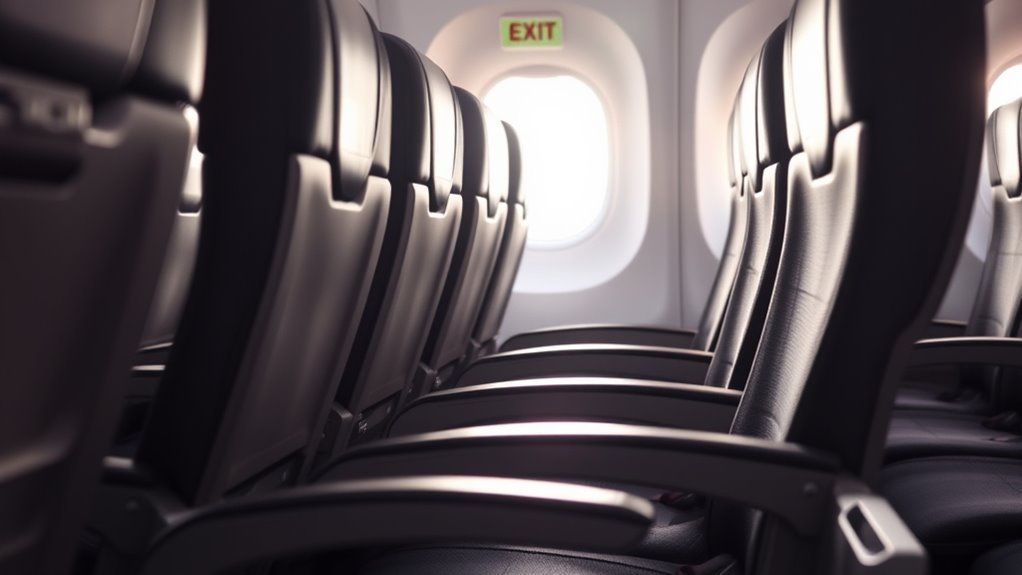
You can recline in some exit row seats, but it really depends on your flight’s aircraft design and airline policies. Seats directly in front of emergency exits usually don’t recline for safety reasons. However, some seats behind the exits might.
Airlines also require you to meet specific safety criteria before assigning exit row seats. If you want to understand who qualifies and what to expect, there’s more to know about these unique seats and their rules.
So, if you’re wondering “do exit rows recline?” the answer isn’t always straightforward. It varies by airline and plane model, so it’s good to check ahead of time. That way, you’ll know whether you can lean back and relax or if you’ll need to stay upright during your flight.
Key Takeaways
- Exit row seat recline depends on aircraft design and position relative to emergency exits.
- Seats directly in front of exit doors usually do not recline to keep evacuation paths clear.
- Seats behind exit rows may recline if airline policies and aircraft layout permit.
- Recline availability varies by aircraft model and airline safety regulations.
- It’s always a good idea to confirm specific seat recline details by checking airline seat maps or contacting the carrier before booking.
Understanding Exit Row Seat Recline Policies
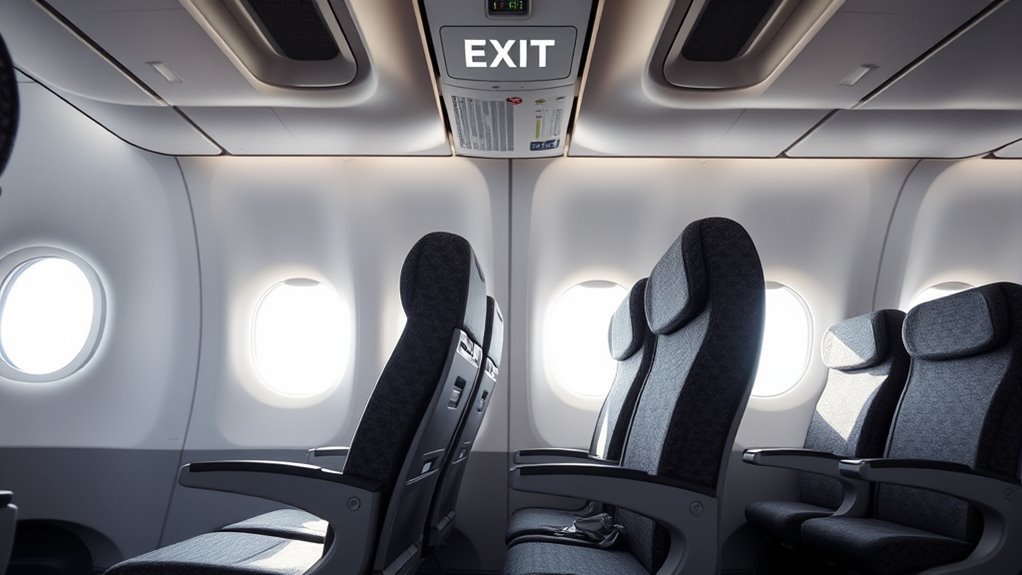
How much can you recline in an exit row seat? It really depends on the aircraft’s design and where the seat sits relative to the emergency exit.
Seats directly in front of an emergency exit usually don’t recline since they need to stay clear for quick evacuation. However, if you’re seated behind an emergency exit door and no other exits or safety concerns block you, your seat recline might be allowed.
Seats in front of emergency exits typically don’t recline, but those behind might, depending on safety and space.
Keep in mind, federal safety rules prioritize swift egress, so some exit row seats have restrictions on reclining. You can often check seat recline options on airline maps or seat plan websites.
But it’s best to confirm with the airline before your flight to avoid surprises about emergency exit row seat recline policies.
Aircraft Design and Its Impact on Reclining Exit Row Seats
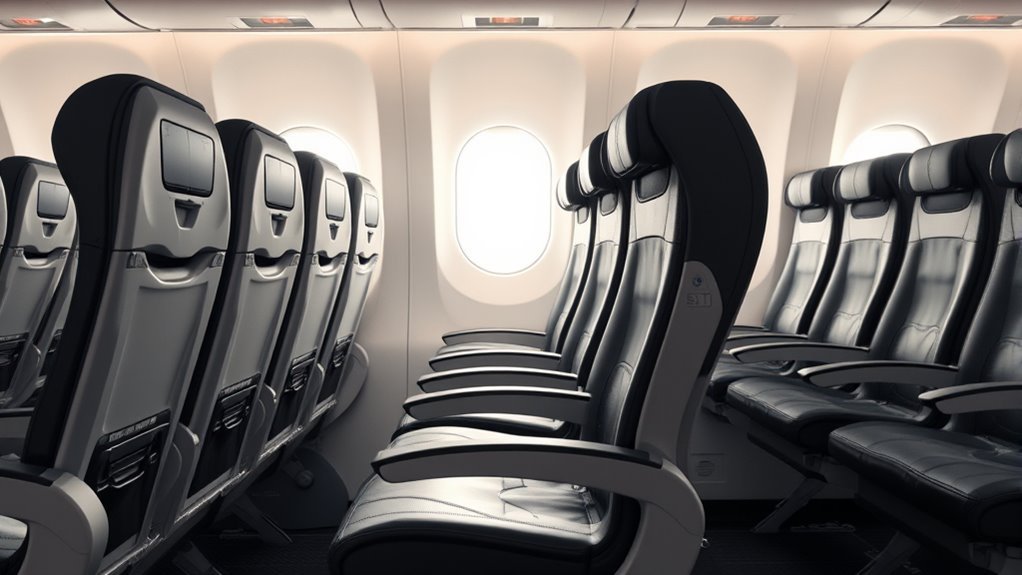
Because aircraft designs vary widely, the ability to recline exit row seats depends largely on the specific layout and location of emergency exits. When you choose a seat in exit rows, aircraft design directly affects whether reclining seats are an option.
Larger aircraft with multiple exits often offer more flexibility for reclining seats behind exit doors. But the placement of emergency exits dictates if seats behind them can recline without blocking evacuation routes.
Different aircraft models, like the Boeing 737 or Airbus A320, have unique seat plans detailing recline capabilities in exit rows. Understanding these design factors helps you know what to expect regarding comfort and safety in exit row seating.
Safety Regulations Governing Exit Row Recline Features
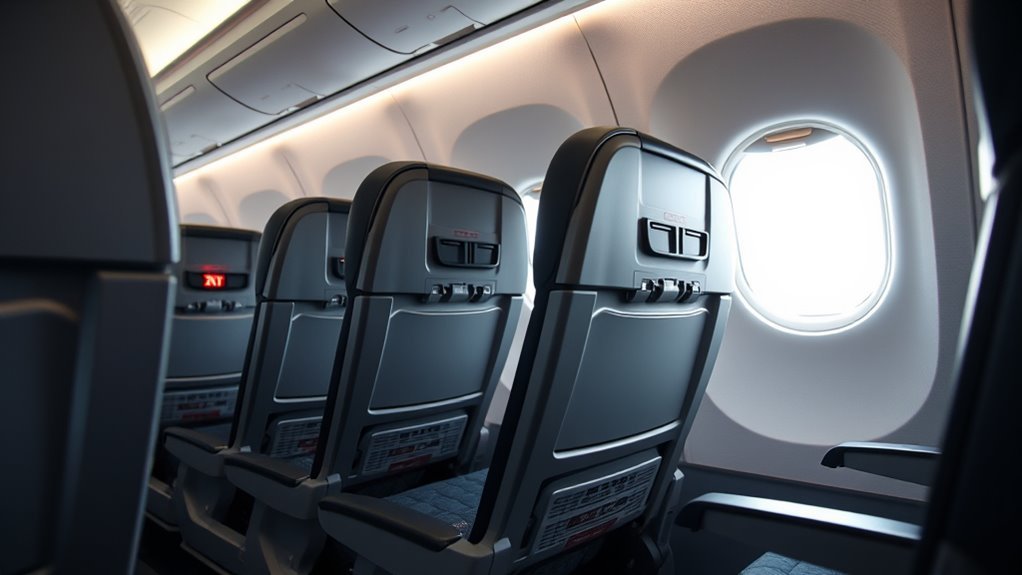
Although exit row seats often provide extra legroom, safety regulations strictly control whether these seats can recline. Your ability to recline depends largely on the aircraft’s design and the location of the exit door.
For example, seats directly in front of an emergency exit usually can’t recline, as they must remain clear for quick evacuation. However, row seats behind the exit door may recline if the airline and aircraft layout allow it.
Who Is Eligible to Sit in Exit Row Seats?
If you want to sit in an exit row, you need to meet specific age, physical, and language requirements. You’ll have to understand safety instructions and be able to assist in an emergency.
Airlines check these criteria carefully and will move you if you don’t qualify. So, it’s important to be honest when they ask. This helps keep everyone safe on the flight.
Eligibility Requirements Overview
When you choose an exit row seat, you must meet specific eligibility requirements to guarantee safety. Airlines prioritize passengers who can assist in emergencies and understand safety instructions fully.
Here’s what you need to know:
- You must be able to read, speak, and comprehend safety briefings, usually requiring fluency in English.
- Passengers under 15 or those responsible for children under 15 aren’t allowed to sit in exit rows.
- If you have mobility issues, use braces, or need assistance that could slow evacuation, you won’t qualify for these seats.
It’s all about making sure everyone stays safe and can act quickly if needed. So, if you’re thinking about snagging an exit row, make sure you meet these requirements first!
Physical and Language Criteria
Because exit row seats come with important safety responsibilities, you need to meet specific physical and language criteria to occupy them. You must be at least 15 years old and able to read, speak, and understand English clearly. This guarantees you can follow instructions and communicate effectively during an emergency.
Physically, you must be capable of opening the emergency exit and assisting others if needed. If you have mobility challenges, braces, or medical devices that limit your movement or ability to help, you likely won’t qualify. Also, if you’re responsible for caring for children under 15, you won’t be eligible.
Before takeoff, airlines will ask you to confirm verbally that you understand your duties and can perform them, ensuring safety for everyone onboard. It’s all about making sure everyone stays safe, so these rules are pretty important.
Restrictions and Disqualifications
Although exit row seats offer extra legroom, airlines restrict who can occupy them to guarantee everyone’s safety. You need to meet specific criteria before you can settle into these seats.
Here’s what you should know:
- You must be at least 15 years old and able to understand and follow safety instructions.
- You can’t have mobility issues, wear braces that limit movement, or lack sufficient English skills to assist in an emergency.
- You must be physically able to open the emergency exit and help others evacuate if needed.
Flight attendants check these requirements before takeoff, and moving into an exit row seat without approval isn’t allowed. If you do, expect to be reassigned.
Common Misconceptions About Exit Row Seating
You might think exit row seats never recline or that they’re always off-limits during takeoff and landing, but that’s not always the case. Recline restrictions vary depending on the aircraft and seat layout, so it’s important to know what applies to your flight.
Plus, eligibility rules for sitting in these rows can be misunderstood, so let’s clear up those common myths. It’s really not as tricky as it seems once you get the hang of it!
Recline Restrictions Explained
While many travelers believe exit row seats never recline, that’s not always the case. The ability of these seats to recline depends on several factors beyond just their location by the emergency exit.
Here’s what you need to know:
- Aircraft design and airline policies play a major role; some exit row seats do recline if it doesn’t interfere with safety.
- Seats directly behind emergency exit doors often recline, but this isn’t guaranteed for all aircraft or airlines.
- Always check with your airline or consult detailed seat maps before assuming your exit row seat won’t recline.
Don’t rely on assumptions. Verifying recline features guarantees you know exactly what to expect.
This makes your flight more comfortable and hassle-free.
Eligibility Misunderstandings
Why do so many travelers get exit row seating wrong? You might think exit row seats never recline, but that’s not always true. Recline depends on the aircraft and where the seat is located.
Many assume safety rules automatically stop these seats from reclining, but it varies by airline and plane model. You may also believe you can’t recline once you’ve boarded, yet some seats behind emergency exits do recline if allowed.
Another common misconception is that exit rows lack both legroom and recline, but some configurations offer extra legroom plus reclining features. Understanding these nuances helps you pick the right seat and avoid surprises about comfort on your flight.
Don’t let assumptions limit your choices.
How Flight Attendants Verify Exit Row Seat Compliance
Because exit rows play a critical role in emergency situations, flight attendants carefully verify that every passenger seated there meets strict safety criteria. When you board, crew members review your eligibility by ensuring you can read and speak English, understand safety instructions, and are physically able to assist in emergencies.
Flight attendants ensure exit row passengers meet strict safety criteria to assist effectively in emergencies.
They also check that safety features like seatbelts and safety cards are accessible in your exit row seat.
Here’s how flight attendants verify compliance:
- Confirm you understand and accept the responsibility through a verbal safety briefing.
- Ensure you meet all safety criteria before closing the aircraft doors.
- Relocate you if you don’t meet requirements or refuse the briefing.
This process guarantees that everyone in exit rows is prepared to help if needed.
The Role of Passengers in Emergency Exit Row Safety
Although flight attendants play a key role in exit row safety, passengers seated there carry significant responsibilities themselves. You must meet strict safety criteria, including being physically capable and able to understand instructions clearly.
Since communication is essential during emergencies, you need to read, speak, and understand English well. Before takeoff, crew members confirm that you’re willing and able to help open exits and guide others if necessary.
If you have mobility issues, use braces, or require assistance, you generally won’t be allowed to sit in these rows. Also, once the plane takes off, you can’t switch seats without crew approval.
Your cooperation ensures quick and effective emergency responses, making your role indispensable for everyone’s safety in the cabin.
Variations in Recline Availability Across Different Airlines
Since airlines must balance passenger comfort with safety, exit row recline policies vary widely depending on the carrier and aircraft type. You’ll notice differences when you book or check your seat. Here’s what to keep in mind:
Some airlines block recline in exit rows to ensure quick evacuation, especially on specific aircraft models with strict safety rules.
Certain airlines prevent exit row seat recline to maintain rapid evacuation on planes with stringent safety protocols
Others allow recline behind exit rows if the seat design and aircraft layout don’t compromise safety procedures.
Seat maps often indicate whether exit row seats recline, but these details aren’t always consistent across carriers.
To avoid surprises, you should always verify with your airline or review their seating charts before your flight to know exactly what to expect in your exit row seat.
What Happens if an Exit Row Passenger Does Not Meet Requirements
If you don’t meet the exit row requirements, the crew will ask you to move before takeoff. Flight attendants verify eligibility during the safety briefing and won’t let unqualified passengers stay there.
Ignoring these rules can lead to seat reassignment or even legal trouble. So, it’s really important to follow the guidelines and cooperate with the crew.
Passenger Disqualification Consequences
When you don’t meet the requirements for an exit row seat, the airline staff will ask you to move before takeoff to maintain safety. This is vital because exit row passengers must be able to assist in emergencies.
Here’s what can happen if you don’t qualify:
- You may be reassigned to another seat, which can delay boarding and cause inconvenience.
- If found ineligible after boarding, the crew will move you away from the exit row to comply with safety standards.
- In extreme cases, violating exit row rules can lead to refusal of boarding or removal from the aircraft.
Crew Seat Reassignment
Although exit row seats offer extra legroom, you won’t get to keep one if you don’t meet the safety or language requirements. Flight crew verify your eligibility during boarding and will reassign you to another seat if you can’t understand safety instructions or assist in emergencies.
This guarantees compliance with safety regulations and maintains emergency procedure integrity.
Here’s what happens if you don’t qualify:
| Reason for Reassignment | When It Happens | New Seat Location |
|---|---|---|
| Language barrier | Boarding | Economy cabin |
| Safety requirement failure | Before door closure | Standard economy seat |
| Inability to assist in an emergency | Pre-takeoff | Non-exit row seat |
You’ll likely lose extra legroom but remain safe and compliant.
Tips for Choosing Comfortable and Safe Exit Row Seats
Because exit row seats come with unique safety requirements, you’ll want to verify whether your chosen seat reclines before booking. Exit rows vary by aircraft and airline policies, so double-check seat maps or contact the airline directly.
To pick the most comfortable and safe exit row seat, keep these tips in mind:
- Confirm Recline Ability: Some seats behind emergency exits recline, but others don’t due to safety rules. Always verify this in advance.
- Review Aircraft Layout: Larger planes might have different recline regulations for multiple exit rows, so know which exit row you’re selecting.
- Understand Safety Obligations: You may be required to assist in an emergency, so choose a seat only if you’re comfortable with that responsibility.
These steps help ensure you enjoy comfort without compromising safety.
Frequently Asked Questions
Can Last Exit Row Seats Recline?
Last exit row seats can recline, but it depends on the aircraft and airline rules. You’ll want to check the specific seat map or ask airline staff since some last exit rows don’t recline to keep evacuation routes clear.
It really varies, so it’s a good idea to double-check before you book or settle in. That way, you won’t be surprised during your flight!
Should Airline Seats Recline?
You shouldn’t expect every airline seat to recline—about 70% do.
Reclining enhances comfort but can disrupt others, so airlines balance your relaxation with safety and courtesy.
This is especially true near emergency exits where reclining’s often restricted.
Do Southwest Exit Row Seats Lean Back?
Southwest exit row seats often do recline, but it depends on the aircraft model and seat layout. You should check the specific plane’s seat map or ask Southwest to confirm if your exit row seat leans back.
It really varies, so it’s a good idea to double-check before you book if reclining is important to you. That way, you’ll know exactly what to expect when you board.
Do Airlines Charge More for Exit Row Seats?
Think of exit row seats as golden tickets—yes, airlines often charge you extra for that prized legroom and quick exit.
You’ll want to check each carrier’s rules since prices and policies can vary widely.
Conclusion
While exit row seats often promise extra legroom and comfort, they usually don’t recline, balancing your comfort with essential safety rules. You get more space but less flexibility, making these seats both a blessing and a limitation.
Understanding these trade-offs helps you make smarter choices when booking. So, if you want to stretch out, you might have to sacrifice that recline—but in an emergency, your role becomes critical, turning comfort into responsibility.
In short, exit rows provide valuable extra legroom but typically don’t recline due to safety regulations. When choosing your seat, weigh the benefit of more space against the lack of recline. Knowing this helps you decide if the extra legroom is worth the trade-off. Ultimately, exit row seats combine comfort with the important responsibility of assisting in an emergency, so your seat choice impacts both your comfort and your role during the flight.