How Can Sleeping in a Recliner Cause Blood Clots?
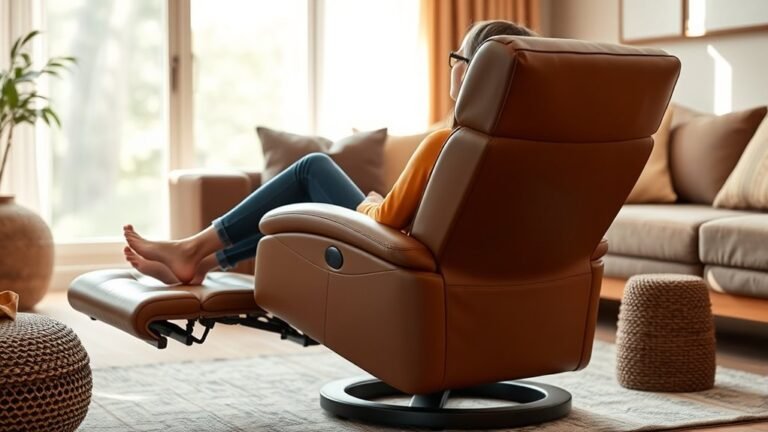
Sleeping in a recliner can affect your blood flow and increase the risk of blood clots. When you sleep this way, your knees and hips stay bent for long periods, which limits movement and slows circulation in your legs.
This slower blood flow can cause blood to pool behind your knees, putting extra pressure on your veins. This buildup raises your chances of developing dangerous blood clots, like deep vein thrombosis (DVT).
You might notice warning signs such as swelling, cramps, or redness in your legs. If sleeping in a recliner is your habit, it’s important to know who’s most at risk and how to protect yourself from complications.
Taking simple steps can help keep your blood flowing smoothly and reduce the chances of clot-related problems.
Key Takeaways
- Sleeping in a recliner keeps your knees and hips bent, which restricts leg movement and slows down blood circulation.
- When you stay still for a long time in a recliner, blood can start to pool behind your knees, causing increased pressure in your veins.
- This pooling of blood creates the perfect conditions for dangerous blood clots, also known as deep vein thrombosis (DVT).
- Plus, the restricted circulation from sleeping in a recliner weakens the return of blood through your veins, leading to leg swelling and a higher risk of clots.
- People who already have limited mobility or clotting disorders need to be extra careful, as they’re more vulnerable to clots from sleeping in a recliner.
Why Sleeping in a Recliner Can Restrict Blood Flow

Because sleeping in a recliner keeps your knees and hips bent for long periods, it can restrict blood flow in your lower limbs. This position causes restricted movement and immobilization, which slows circulation and impairs venous return—the process that pushes blood back to your heart.
When blood flow decreases, blood pooling and stagnation occur behind your knees, increasing pressure in your veins. This creates an ideal environment for blood clots to form, raising your risk of deep vein thrombosis (DVT).
Poor circulation from prolonged sitting also contributes to swelling in the legs, further worsening blood stagnation. By limiting your lower limbs’ natural movement, sleeping in a recliner can substantially disrupt healthy blood flow and elevate the chances of dangerous clot development.
Signs You Might Have a Blood Clot From Recliner Sleep

If you’ve been sleeping in a recliner for extended periods, you should watch for signs that might indicate a blood clot. Prolonged immobility can lead to deep vein thrombosis (DVT), causing leg swelling, pain, and redness.
Pay attention if you notice persistent calf cramps or tenderness, as these may signal a developing clot. Skin discoloration and a heavy feeling in your legs are also warning signs.
If you experience shortness of breath or chest pain along with leg swelling, seek immediate medical help—these symptoms could mean a clot has traveled to your lungs. Early recognition of these symptoms is vital to prevent serious complications from a blood clot caused by sleeping in a recliner.
How Sitting Still Affects Circulation and Clot Risk

When you sit still for long periods, like when you’re sleeping in a recliner, your blood flow slows down a lot, especially in your legs. Sitting and not moving for a long time cuts down on circulation and makes it harder for blood to flow back toward your heart.
This causes blood to pool in your veins. When blood just sits there, it can start to form clots, which might lead to deep vein thrombosis. Plus, with weaker circulation, your tissues don’t get as much oxygen and nutrients, which only makes clotting more likely.
The longer you stay still, the greater the chance that clots will form. So, it’s really important to avoid sitting or lying still for too long when you can—especially if you’re sleeping in a recliner. Keeping your blood moving helps lower the risk of clots and keeps you healthier overall.
Who Is Most at Risk for Blood Clots When Sleeping in a Recliner?
Although anyone can develop blood clots from sleeping in a recliner, certain groups face a higher risk. If you have a history of blood clots or clotting disorders, your risk increases due to prolonged immobility.
Limited mobility, whether from obesity, surgery, or injury, can slow blood flow and lead to blood pooling. Older adults naturally experience reduced blood circulation and mobility, making them more vulnerable.
Limited mobility from health issues or age slows circulation, increasing vulnerability to blood pooling and clots.
Additionally, medical conditions like deep vein thrombosis (DVT), varicose veins, or cardiovascular disease raise your risk. Spending a prolonged period in a reclined position without moving your legs further slows circulation, increasing blood clot chances.
Understanding these risk factors can help you recognize if you’re more prone to blood clots when sleeping in a recliner. So, it’s good to be aware and take steps to move around when you can.
Tips to Prevent Blood Clots While Sleeping in a Recliner
Knowing who is more vulnerable to blood clots while sleeping in a recliner helps you take proactive steps to protect yourself.
To maintain healthy blood circulation during recliner sleep, focus on reducing immobility and preventing blood pooling. You can elevate your legs, wear compression socks, and move regularly to improve blood flow and avoid blood clots.
| Tip | Benefit |
|---|---|
| Leg elevation | Reduces blood pooling |
| Compression socks | Enhances blood circulation |
| Avoid crossing legs | Prevents restricted blood flow |
| Move regularly | Boosts blood flow, lowers risk |
Frequently Asked Questions
Is It Unhealthy to Sleep in a Recliner Every Night?
Yes, it can be unhealthy to sleep in a recliner every night. You’ll risk poor circulation and muscle stiffness.
This may lead to discomfort or more serious issues like blood clots if you don’t move or stretch regularly.
What Is the Best Sleeping Position to Prevent Blood Clots?
You should sleep flat on your back with your legs slightly elevated—about 15-30 degrees. Studies show this position boosts circulation, reducing blood clot risk by up to 50%.
Try to avoid sharp knee bends or dangling legs. Keeping your legs in a gentle, raised position really helps the blood flow better while you rest.
Are Recliners Bad for Leg Circulation?
Yes, recliners can be bad for your leg circulation if you stay in them too long without moving.
You’ll want to stretch and change positions often to keep blood flowing and avoid potential problems.
It’s all about giving your legs a little movement now and then. That way, you keep things flowing smoothly.
How Long Is Too Long to Sit in a Recliner?
You shouldn’t linger too long in your comfy throne—sitting over four hours straight ups your risk of blood clots.
It’s best to stretch or stand every 30 minutes to keep your circulation happily flowing.
Conclusion
Sleeping in a recliner can restrict your blood flow, increasing the risk of blood clots, especially if you stay still for long periods. This happens because limited movement slows circulation, which can cause blood to pool in your legs.
You might worry this means you have to avoid recliners altogether, but that’s not true. By moving regularly, elevating your legs, and staying hydrated, you can safely enjoy your recliner without putting yourself at risk.
Just stay aware of the signs and take simple precautions to protect your health. Remember, sleeping in a recliner doesn’t have to lead to blood clots if you’re mindful about circulation and activity. So, keep moving a bit, drink plenty of water, and elevate your legs when you can. That way, you can enjoy the comfort of your recliner while minimizing the risk of blood clots and keeping your blood flow healthy.