Can You Put a Memory Foam Mattress on a Box Spring?
You shouldn’t put a memory foam mattress directly on a traditional box spring because it doesn’t provide the solid, even support your mattress needs. Box springs are designed mainly for innerspring mattresses, so using one with memory foam can cause uneven pressure and restrict airflow.
This might lead to potential damage to your memory foam mattress over time.
Instead, it’s best to choose a flat, firm foundation or properly spaced slats. These options help keep your mattress in shape and protect its warranty.
Want to know how to make your memory foam mattress last longer? Keep exploring your options to find the perfect base that supports comfort and durability.
Key Takeaways
- Traditional box springs aren’t the best match for memory foam mattresses. They often provide uneven support and limit airflow.
- Memory foam mattresses actually need a solid, flat surface or a slatted base where the slats are no wider than 3 inches.
- If you use a coil-based box spring, it might cause sagging or even damage the mattress. Plus, it could void your warranty.
- Make sure to check any old or worn-out box springs. If they’re damaged, replace them to keep your mattress comfy and well-supported.
- Better options include solid platform foundations, bunkie boards, or adjustable bases that the mattress makers recommend.
What’s a Box Spring, and How Does It Work With a Memory Foam Mattress?
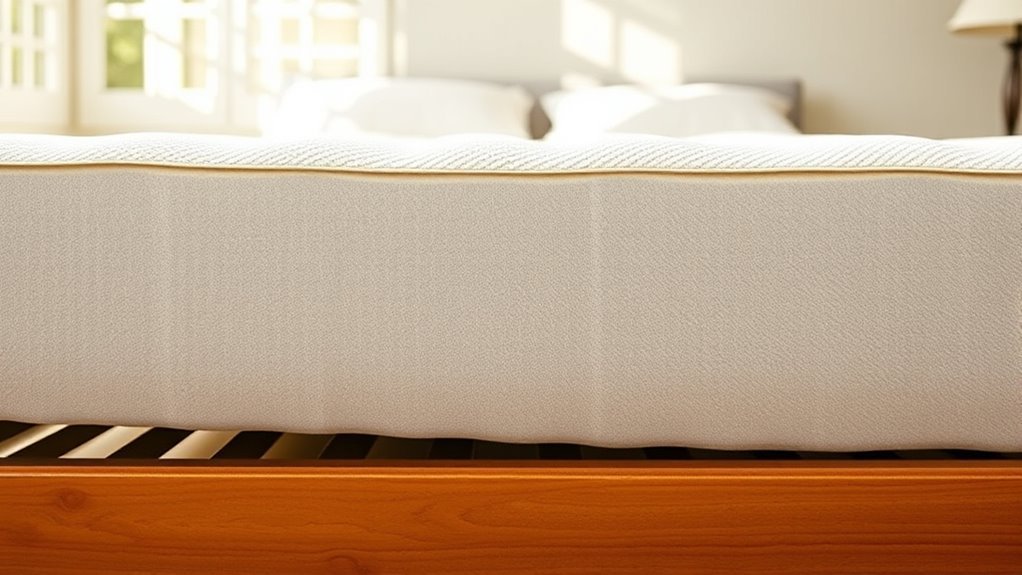
While box springs are designed to support innerspring mattresses by absorbing shock and distributing weight evenly, they aren’t the best match for memory foam mattresses. A box spring features metal coils wrapped in fabric, creating a support system that adds bounce and shock absorption ideal for traditional innerspring beds.
This bed base typically stands about 9 to 16 inches tall, perfectly complementing coil-based mattresses. However, when you pair a memory foam mattress with a box spring, you risk compromising support and restricting airflow.
Memory foam relies on a solid, flat surface to maintain its shape and provide proper support. Using a box spring can lead to uneven pressure and reduced ventilation, which might damage the mattress over time.
Can You Put a Memory Foam Mattress on a Box Spring?
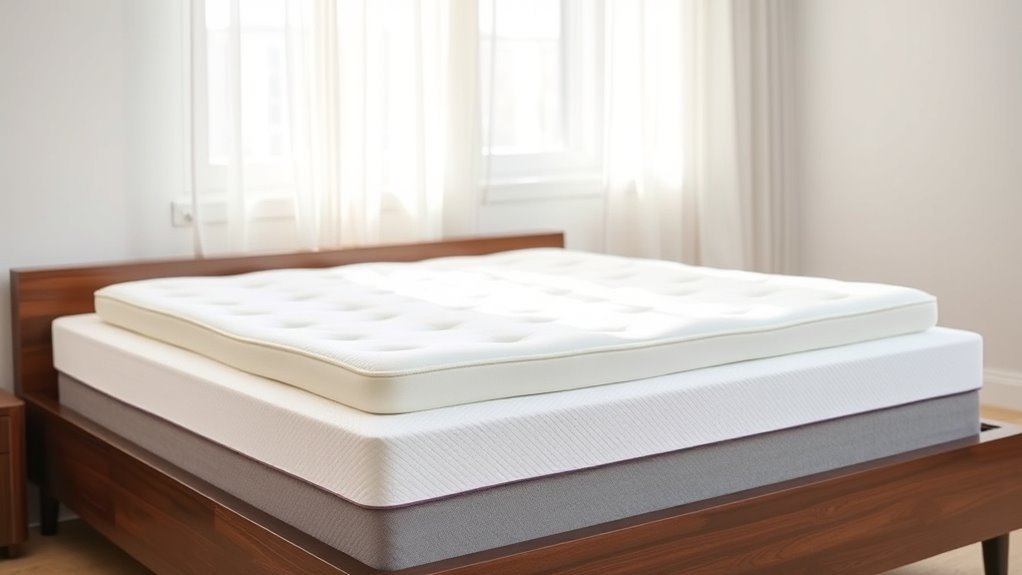
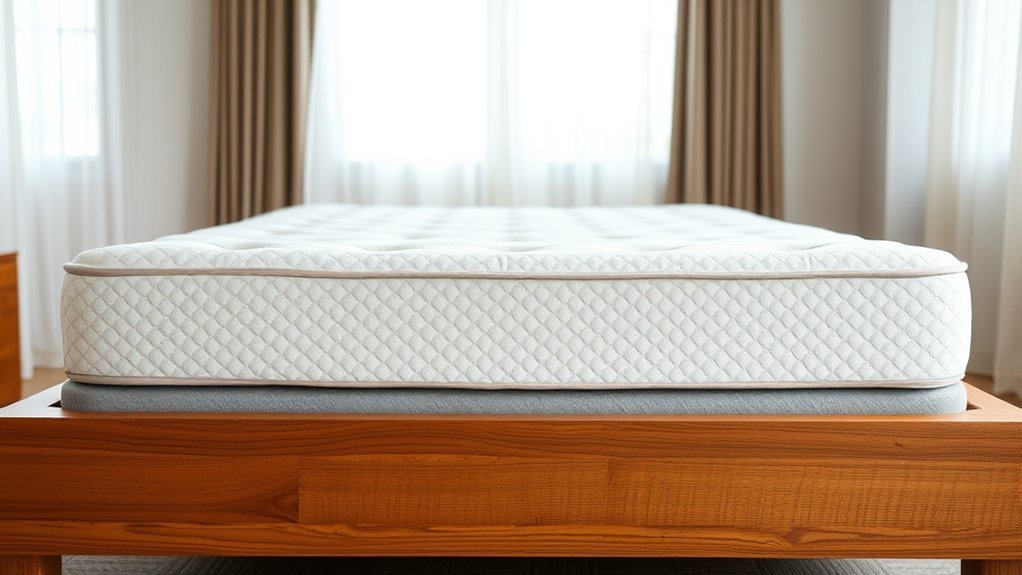
You might wonder if placing your memory foam mattress on a box spring is a good idea since box springs are common bed bases. While it’s physically possible, memory foam mattresses need flat, solid support to maintain their shape and comfort.
A box spring often provides uneven or insufficient support, which can lead to sagging and reduce the mattress’s lifespan. Plus, many manufacturers require a proper foundation—like a platform bed or a foundation with closely spaced slats—to keep the warranty valid.
Using a box spring may even void that warranty because it doesn’t offer the solid support memory foam mattresses need. So, to protect your mattress and enjoy its full benefits, it’s best to choose a foundation designed specifically for memory foam support.
How to Check If Your Box Spring Is Compatible With Memory Foam
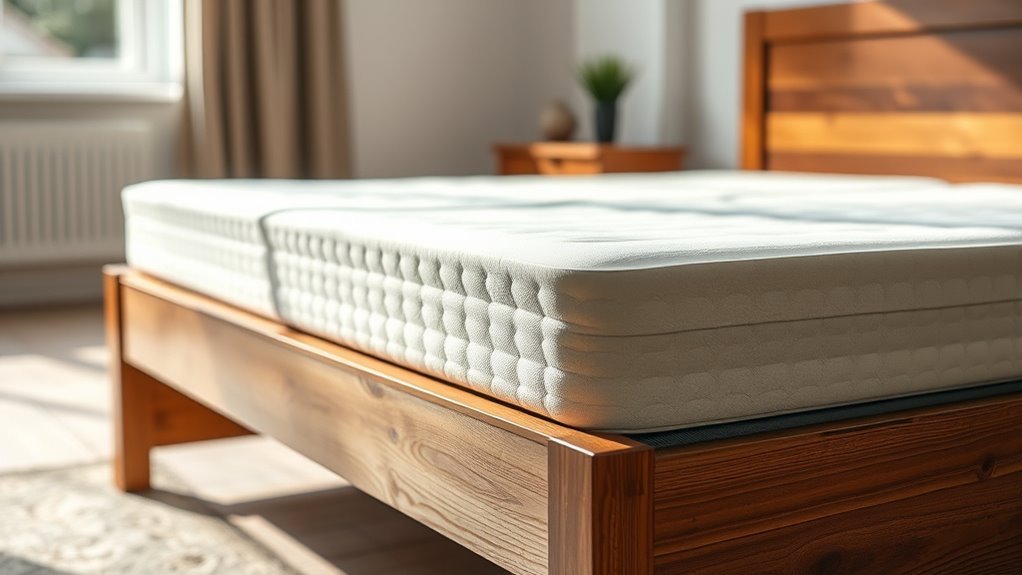
Before placing your memory foam mattress on a box spring, make sure the box spring provides flat, solid support without springs or gaps. It’s important to check if it has a solid platform or closely spaced slats no more than 3 inches apart. These options usually offer better compatibility.
Take a close look at the box spring for any signs of wear, sagging, or broken springs. These issues can really compromise the support your mattress needs.
A lot of manufacturers actually recommend replacing old box springs with a foundation or platform to keep proper support in place. It’s always a good idea to review your mattress manufacturer’s guidelines to confirm if your box spring meets their support requirements.
Why Memory Foam Mattresses Need Solid Support, Not Box Springs
Because memory foam mattresses rely on consistent, firm support to maintain their shape and comfort, they don’t perform well on traditional box springs with coils. A box spring often provides uneven support, causing your memory foam to sag or develop pressure points.
This can lead to damage and reduced mattress lifespan. Instead, you need a solid support like a sturdy foundation or a slatted bed with closely spaced slats to evenly distribute your weight and keep the mattress stable.
| Support Type | Emotion Felt |
|---|---|
| Solid Foundation | Confidence & Comfort |
| Box Spring | Concern & Unease |
| Slatted Bed | Stability & Relief |
Choosing the right foundation defends your investment and ensures lasting comfort. It’s really worth taking the time to get it right.
How Using the Wrong Support Can Hurt Your Mattress Warranty
Although it might seem convenient, placing your memory foam mattress on a box spring can void your warranty if the manufacturer requires a different support system.
Memory foam mattresses need flat, solid support like a foundation or slatted base to prevent sagging. Using a box spring not designed for foam can cause uneven support, leading to damage in the mattress layers.
Memory foam mattresses require flat, solid support to avoid sagging and damage from uneven foundations.
This sagging and damage often fall outside warranty coverage because many brands specify support requirements clearly. So, if you ignore these guidelines and use the wrong support, your warranty claim can be denied, leaving you responsible for repairs or replacement.
To protect your investment, always follow the manufacturer’s support instructions. Avoid placing your memory foam mattress on an incompatible box spring.
Box Springs and Other Support Options for Memory Foam Mattresses
When you choose support for your memory foam mattress, selecting the right foundation matters more than you might think. Proper support prevents sagging, maintains comfort, and extends your mattress’s life.
While a traditional box spring might seem like a go-to, it often provides uneven support for memory foam and can void warranties. So, it’s usually best to look at other options.
Instead, consider these choices:
- Solid platform foundations that offer firm, consistent support.
- Slatted platforms with slats no more than 3 inches apart to avoid sagging.
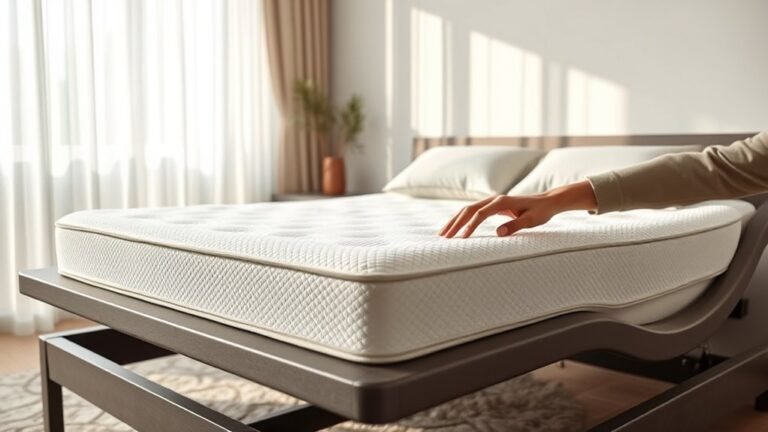
- Adjustable bases that conform to your comfort needs.
- Manufacturer-recommended foundations designed specifically for your mattress model.
Pros and Cons of Using a Box Spring With Memory Foam Mattresses
While you might be tempted to pair your memory foam mattress with a traditional box spring, doing so can lead to uneven support and reduce the mattress’s comfort and durability. Box springs are designed for innerspring mattresses, so they often fail to provide the solid, supportive surface memory foam needs.
This uneven support can cause sagging and compromise the mattress’s longevity. On the plus side, using a box spring might add some height to your bed and is readily available.
However, it can also introduce unwanted motion transfer and reduce memory foam’s contouring benefits. For ideal support and to maintain your mattress warranty, it’s better to use a flat, solid foundation or slatted base rather than a box spring with your memory foam mattress.
How to Get Your Box Spring Ready for a Memory Foam Mattress
To get your box spring ready for a memory foam mattress, start by making sure it provides firm, even support without any sagging. Proper support helps prevent damage and makes your mattress last longer.
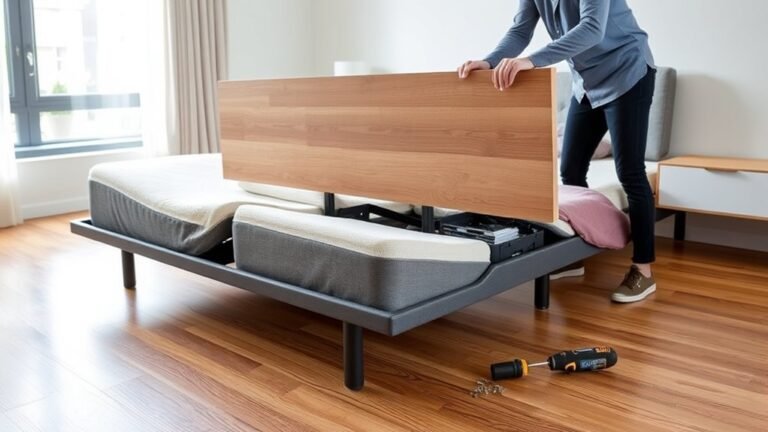
First, inspect your box spring for any wear, damage, or sagging to ensure it’s still structurally sound. Next, check that it has a solid foundation or closely spaced slats no more than 3 inches apart.
If the slats are spaced too far apart, you’ll want to reinforce the surface. Adding a layer of plywood or a bunkie board creates a flat, firm base that your mattress will love.
Finally, cover the box spring with a breathable mattress protector. This helps improve airflow and keeps dust buildup to a minimum.
Common Mistakes When Using Memory Foam Mattresses on Box Springs
Although box springs have long been a popular mattress foundation, using one with a memory foam mattress often leads to common mistakes that can reduce comfort and durability. One major error is relying on a box spring with deep coil systems, which don’t provide the proper support memory foam needs.
This uneven support causes soft spots and uneven wear, shortening your mattress’s lifespan. Another mistake is placing your memory foam mattress on a worn-out box spring, leading to sagging and discomfort.
Many manufacturers also warn that using a traditional box spring may void your warranty since it fails to offer the flat, solid support required. So, to avoid these issues, don’t overlook the importance of proper support when pairing a memory foam mattress with a box spring.
Extend Your Memory Foam Mattress Life With Proper Support
Mistakes like using an old or coil-based box spring can wear down your memory foam mattress faster and may even void your warranty. To extend mattress life, you need proper support that prevents sagging and maintains comfort.
Avoid using just any box spring; instead, opt for a foundation or solid base designed for memory foam. Here’s how to guarantee your mattress lasts longer:
- Choose a platform bed or bunkie board for solid, flat support.
- Use a slatted foundation with slats no more than 3 inches apart to prevent sagging.
- Regularly inspect your support system and replace worn-out box springs immediately.
- Reinforce your setup with a sturdy, even base to maintain mattress contour and comfort.
Following these tips will help you extend your memory foam mattress’s life effectively. It’s really all about giving your mattress the support it needs to stay comfy and last longer!
Frequently Asked Questions
What Is the Best Height for a Bed?
The best bed height for you is typically between 20 and 24 inches, making it easy to get in and out comfortably.
You can adjust this based on your mattress thickness, frame, and personal preference. That way, you get the perfect fit just for you!
How to Put a Mattress on the Floor?
You place the mattress directly on a clean, dry floor, adding a rug or foam pad underneath for airflow and moisture control.
Elevate it slightly with risers if you want easier access and better ventilation beneath.
It’s a simple setup, but these little tweaks can make a big difference in comfort and durability.
Why Are People No Longer Buying Memory Foam Mattresses?
You’re likely avoiding memory foam mattresses because they trap heat, can off-gas chemicals, and sometimes wear out faster.
Plus, newer hybrid models offer better cooling, durability, and comfort. That makes memory foam less appealing overall.
What Is the Best Bed Frame for a Hybrid Mattress?
The best bed frame for your hybrid mattress is a sturdy platform or slatted base with slats no wider than 3 inches. This helps provide solid support and keeps your mattress in good shape.
You can also choose an adjustable base or metal frame with center support. These options add extra durability and comfort, making sure your mattress lasts longer and feels great every night.
Conclusion
Putting a memory foam mattress on a box spring can be like fitting a square peg in a round hole—it’s not always the best match. To keep your mattress comfy and lasting longer, you’ll want solid, flat support instead.
Before you decide, check if your box spring is up to the task, or you might risk voiding your warranty. A box spring’s structure isn’t always designed to handle the weight and flexibility of memory foam.
Give your memory foam the foundation it deserves—think sturdy, flat, and supportive—and it’ll reward you with sweet dreams for years. So, if you want your mattress to stay in great shape and sleep comfortably, consider alternatives like a platform bed or a rigid bed frame. This way, you’re protecting your investment and enjoying the full benefits of your memory foam mattress.