Are Memory Foam Mattresses Hot?
Yes, memory foam mattresses tend to feel hot because their dense material traps your body heat and limits airflow. This can make sleeping uncomfortable, especially if you naturally run warm at night.
While some cooling features like gel infusions and breathable covers offer mild relief, they don’t fully solve the heat issue.
You can try breathable bedding or fans to stay cooler. These simple changes can help improve airflow and reduce that trapped heat.
If you want a mattress that naturally sleeps cooler or want to understand when memory foam is a good fit, there’s plenty more to explore about managing mattress warmth. It’s all about finding what works best for your sleep style and comfort.
Key Takeaways
- Memory foam mattresses tend to retain heat because of their dense structure and limited airflow. This means they can feel warmer than other types of mattresses.
- Plus, your body heat softens the memory foam, which increases close contact and traps more heat. It’s like the foam hugs you, but it also holds onto your warmth.
- Some memory foam mattresses come with cooling features, like gel-infused foam, but these usually offer only limited and temporary relief from the heat.
- To help with heat buildup, you can use breathable bedding and ventilated toppers. These allow more air to circulate and keep things cooler.
- Overall, memory foam works better in cooler environments. If you tend to sleep hot, hybrids and latex mattresses might be a better choice since they offer improved airflow.
Why Memory Foam Mattresses Feel Hot
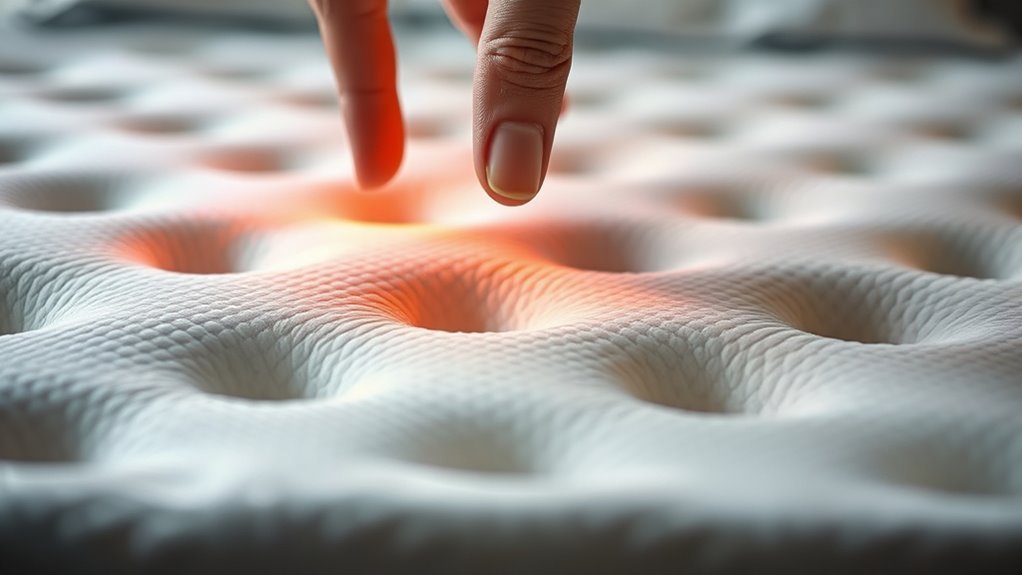
Although memory foam mattresses offer excellent pressure relief by contouring closely to your body, they tend to feel hot because their dense structure limits airflow and traps heat. When you lie down, your body heat softens the foam, causing it to mold tightly around you.
This close contact reduces ventilation, so the mattress traps heat instead of letting it escape. As a result, the temperature of the mattress rises, making you feel warmer throughout the night.
Unlike mattresses with open coils that allow air to circulate freely, memory foam’s compact design holds onto your body heat. While this quality enhances comfort and support, it also means the mattress retains more heat, which can lead to an uncomfortably warm sleeping environment.
Do Cooling Features Really Work?
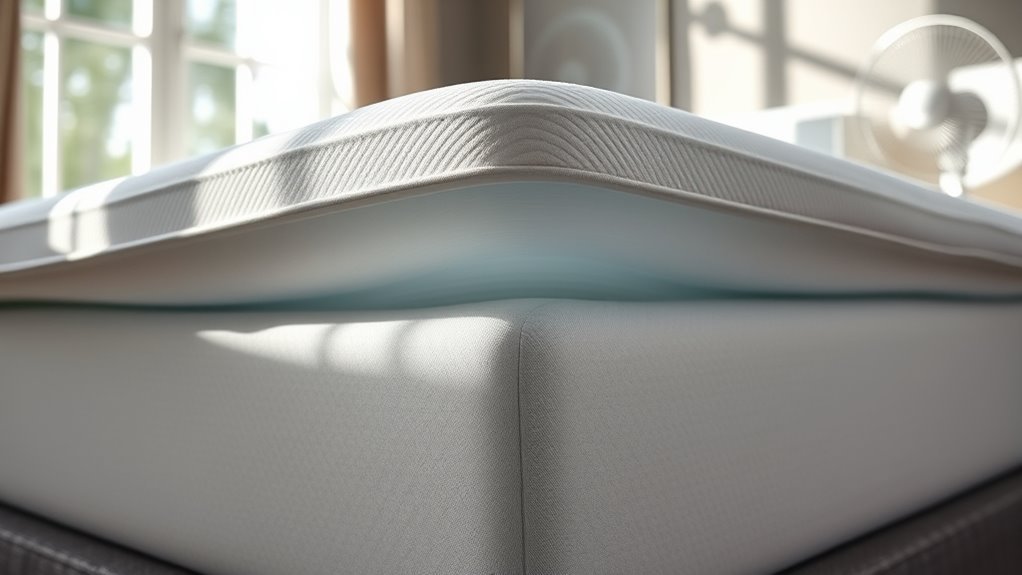
Memory foam’s heat retention often leads buyers to seek mattresses with cooling features, hoping to sleep more comfortably. While gel-infused foams promise cooling, they usually offer only short-term relief, and their effectiveness varies widely.
Breathable mattress covers and open-cell foam structures help improve airflow, but their impact on temperature is modest at best. Phase-change materials (PCMs) stand out by absorbing and releasing heat, providing more noticeable cooling compared to other technologies.
Still, marketing claims about gel infusions and cooling features can be overstated, so don’t expect miracles. Ultimately, while these features can help, they might not fully solve heat retention issues, especially if your mattress lacks good airflow or hybrid coil support.
How to Keep Your Memory Foam Mattress Cool
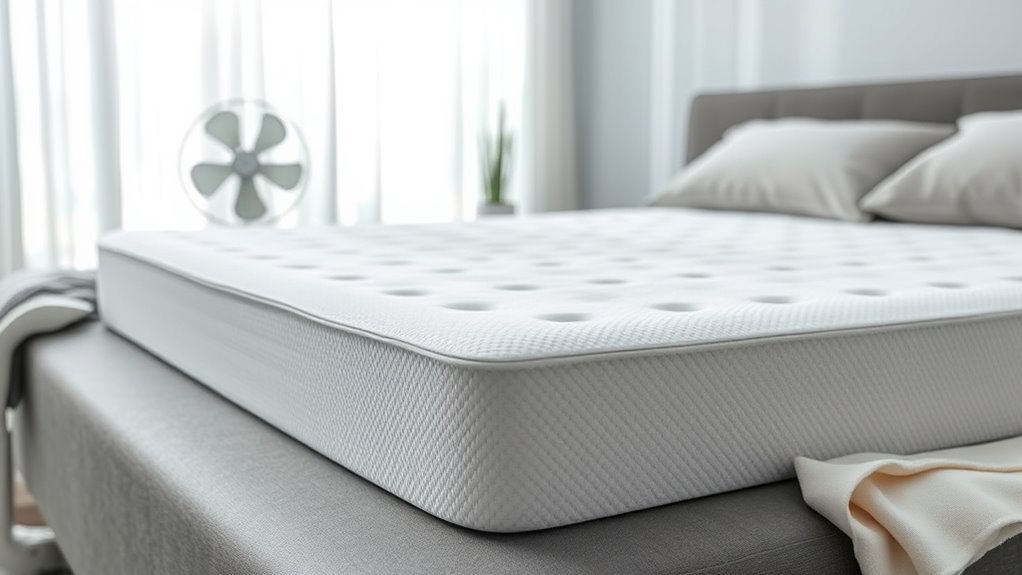
Wondering how to keep your memory foam mattress from overheating? Start by choosing breathable bedding like cotton or linen sheets. They boost airflow and help keep your mattress cooler.
Ventilating your bedroom regularly with fans or air conditioning lowers the ambient temperature. This makes heat buildup less likely.
You can also add ventilated or phase-change material toppers to absorb and dissipate heat effectively.
For more active cooling, consider bed fans or water-circulating mattress pads. These devices manage trapped heat really well.
If you’re picking a new mattress, look for open-cell foam or hybrid designs with coils. They promote better airflow and stay cooler naturally.
Best Alternatives to Memory Foam for Hot Sleepers
If you tend to overheat at night, choosing a mattress made from natural latex or a hybrid design with coil support can make a big difference. Natural latex mattresses use natural materials that promote better airflow and prevent heat traps, keeping you cool throughout the night.
Hybrid mattresses combine coil systems with thinner foam layers, enhancing ventilation and reducing heat retention. The coil support in these hybrids allows air to circulate freely, which memory foam often restricts.
Additionally, natural materials like cotton or horsehair in mattress covers further improve airflow and temperature regulation. By opting for these alternatives, you avoid the heat-trapping nature of memory foam and enjoy a cooler, more breathable sleep surface tailored for hot sleepers.
When to Choose Memory Foam vs Cooler Mattresses
When should you pick a memory foam mattress over cooler alternatives? If you value deep pressure relief and motion isolation, especially in cooler room environments, memory foam is a solid choice.
However, if you tend to overheat or live in warm climates, hybrid mattresses with coil layers and thinner foam offer better temperature regulation and airflow. These hybrids act as a more effective cooling bed, reducing heat retention compared to pure memory foam.
Choosing between memory foam and cooler mattresses largely depends on your personal comfort and climate conditions. So, if heat sensitivity is a concern, consider latex or breathable hybrid designs.
But if your priority is contouring support and you sleep in a cooler room, memory foam can provide unmatched comfort without compromising sleep quality.
Is Memory Foam Good for Hot Weather?
Although memory foam offers excellent support and comfort, it tends to trap heat due to its dense structure and limited airflow, making it less ideal for hot weather. When temperatures rise, memory foam absorbs and retains your body heat, causing you to feel hot and sweaty through the night.
This heat sensitivity also softens the foam faster, which can reduce its supportive qualities. If you want to keep cool while using memory foam in warm climates, you’ll need to rely on breathable bedding, good ventilation, or external cooling devices.
Without these measures, traditional memory foam mattresses generally struggle to maintain a comfortable temperature. So, they might not be the best choice if you sleep hot or live in consistently warm environments.
What Real Users Say About Memory Foam Heat
Many users find that memory foam mattresses trap body heat, making them feel uncomfortably warm throughout the night. If you sleep on memory foam, you might notice this heat retention especially as temperatures rise or during colder months when the foam softens.
Real users share these insights:
- Many say the mattress causes them to feel hot, with warmth building up after hours of sleep.
- Gel-infused memory foam provides only brief, mild cooling, which often isn’t enough to combat heat retention fully.
- Breathable covers help somewhat but don’t eliminate the problem, so hot sleepers turn to extra cooling solutions.
If you’re considering memory foam, knowing how others experience heat can help you weigh its pros and cons.
Tips for Buying a Mattress If You Sleep Hot
If you tend to sleep hot, choosing the right mattress can make a big difference in your comfort. Opt for hybrid mattresses with coils or latex for better airflow, or memory foam with gel infusions and open-cell structures to help you stay cool.
Avoid dense, thick memory foam that traps heat. Adding breathable mattress toppers made from cotton or linen can boost ventilation. Also, use cooling bedding and keep your bedroom well-ventilated. It really helps to keep things fresh and comfy throughout the night.
| Tip | Why It Helps |
|---|---|
| Hybrid Mattresses | Promote airflow & stay cool |
| Gel-Infused Memory Foam | Offers limited cooling |
| Breathable Toppers | Enhance ventilation |
| Avoid Dense Foam | Prevents heat retention |
| Cooling Bedding & Airflow | Complements mattress cooling |
Frequently Asked Questions
Why Are People No Longer Buying Memory Foam?
People aren’t buying memory foam because it traps heat, making you uncomfortable on warm nights.
You’ll find better airflow and cooler options in latex or hybrid mattresses, so you’re opting for those instead.
What Is the Best Mattress to Reduce Body Heat?
You’ll want a latex or hybrid mattress with coil support and breathable covers to reduce body heat. Look for natural materials like cotton or wool—they really help keep things cool.
Also, check out options with open-cell foam or phase-change technology. These features are great for better cooling throughout the night.
What Are the Downsides of a Memory Foam Mattress?
Wondering about memory foam’s downsides? You’ll find it traps heat, softens over time, and may lose support.
Plus, it can feel heavy and expensive. Are those trade-offs worth it for your sleeping comfort?
Can Memory Foam Freeze?
Memory foam doesn’t actually freeze like water, but if you expose it to extreme cold, it’ll get very firm and lose its softness temporarily.
Just warm it back up, and it’ll regain its usual comfort.
Conclusion
If you sleep hot, you’re not alone—about 60% of memory foam users report feeling warmer at night. While memory foam can trap heat, many come with cooling features that actually help.
You can also keep your mattress cool by using breathable bedding and fans. These simple tweaks make a big difference in managing nighttime temperature.
If overheating really bothers you, consider alternatives like latex or hybrid mattresses. They tend to sleep cooler than traditional memory foam.
Ultimately, choosing the right mattress depends on how much heat affects your sleep comfort and personal preferences. Memory foam mattresses can feel hot for some, but with cooling technology and proper bedding, you can enjoy a comfortable night’s rest. So, if you’re worried about memory foam mattresses being hot, explore cooling options or different mattress types to find what works best for you.