Does a Memory Foam Mattress Need a Box Spring and How to Choose Support
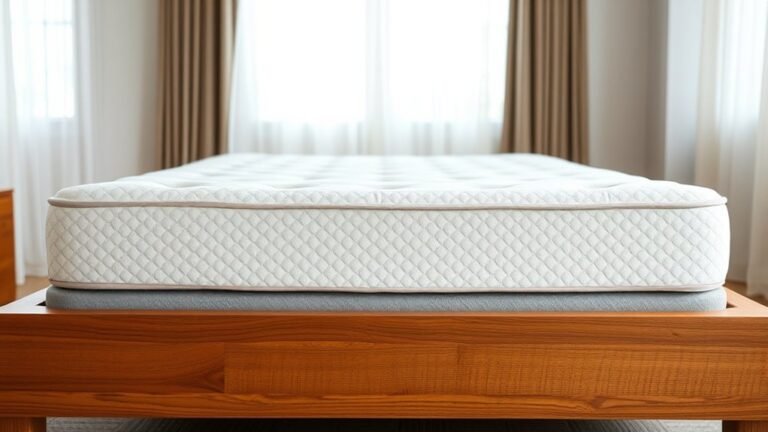
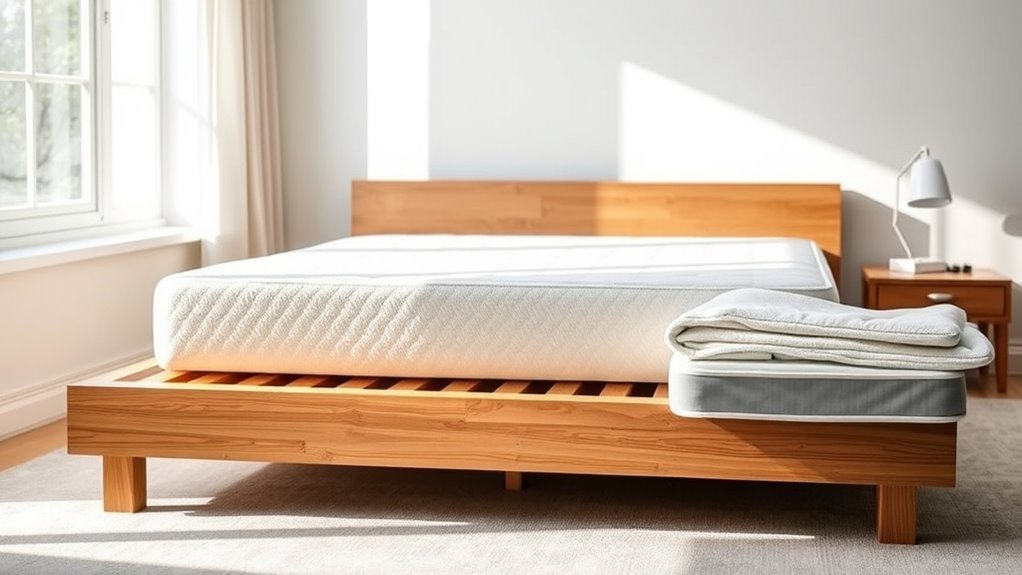
You don’t need a traditional box spring for a memory foam mattress because flexible coil foundations won’t provide the proper support. Instead, go for a firm, flat base like a platform bed or closely spaced slats that are no more than 3-4 inches apart. These options help prevent sagging and keep your mattress comfortable.
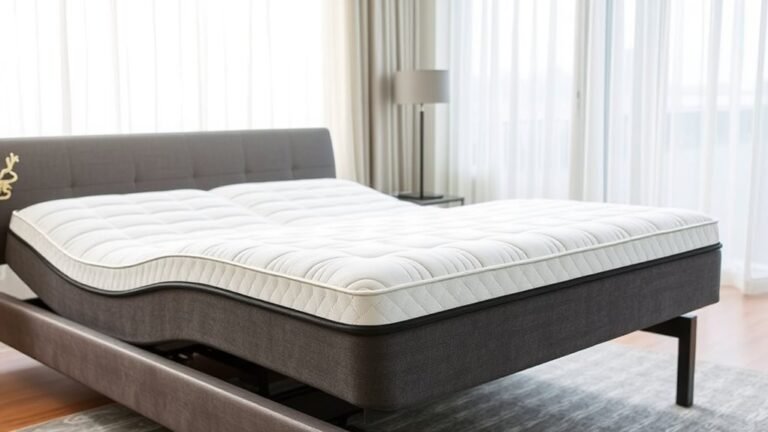
An adjustable frame designed for foam mattresses is another great choice. It supports your mattress evenly, preserving its shape and extending its life.
Choosing the right foundation is important—not just for comfort but also to protect your investment and maintain warranty coverage.
So, when picking support for your memory foam mattress, think about durability and how it affects your sleep quality. Keep exploring to learn more about how the right base can impact mattress durability and comfort.
Key Takeaways
- Memory foam mattresses need firm, flat, and evenly spaced support. Because of this, traditional box springs usually aren’t the best choice.
- Instead, platform beds or slatted bases work really well. Just make sure the slats are no more than 3-4 inches apart to give your mattress the support it needs.
- Adjustable bed frames are another great option. They provide firm, even support and can even boost your comfort — all without needing a box spring.
- You’ll want to steer clear of flexible coil box springs. These can cause sagging and might even void your mattress warranty.
- It’s also a good idea to check your mattress foundation regularly. Replacing worn-out supports helps keep your mattress durable and prevents damage down the line.
Understanding Memory Foam Mattress Support Requirements
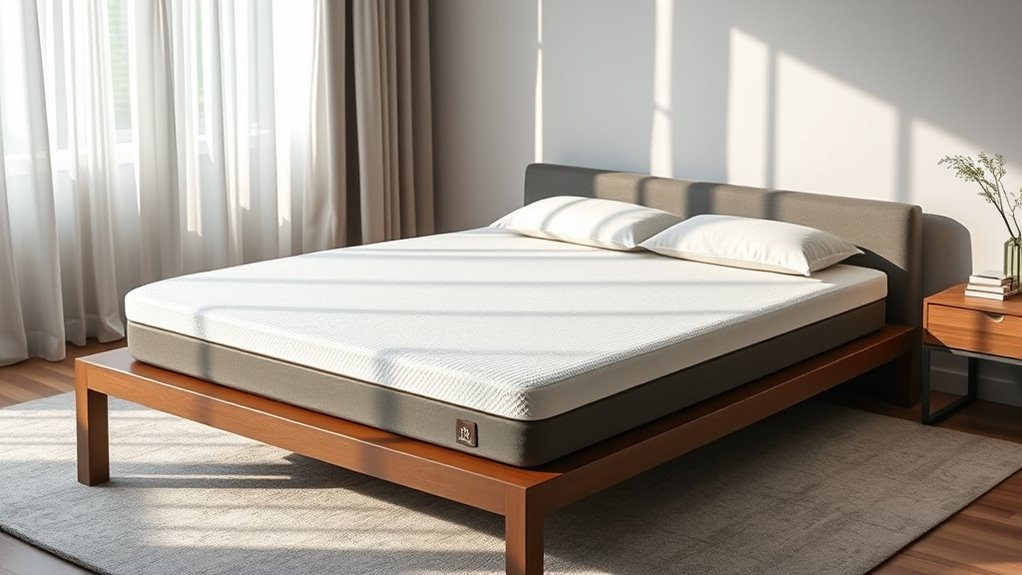
When you choose a memory foam mattress, you need to provide firm, flat support to keep it from sagging and losing shape. Memory foam demands a solid support system that evenly distributes weight and relieves pressure points.
Traditional box springs with flexible coils don’t offer this, risking uneven support and voiding your warranty. Instead, opt for a foundation that’s rigid, like a platform bed or one where the slats are close enough to prevent sagging.
Ensuring your mattress is properly supported not only maintains its shape but also extends its lifespan. By choosing the right support system, you protect your investment and enjoy the full benefits of memory foam’s comfort and pressure relief.
Platform Beds as a Foundation Option
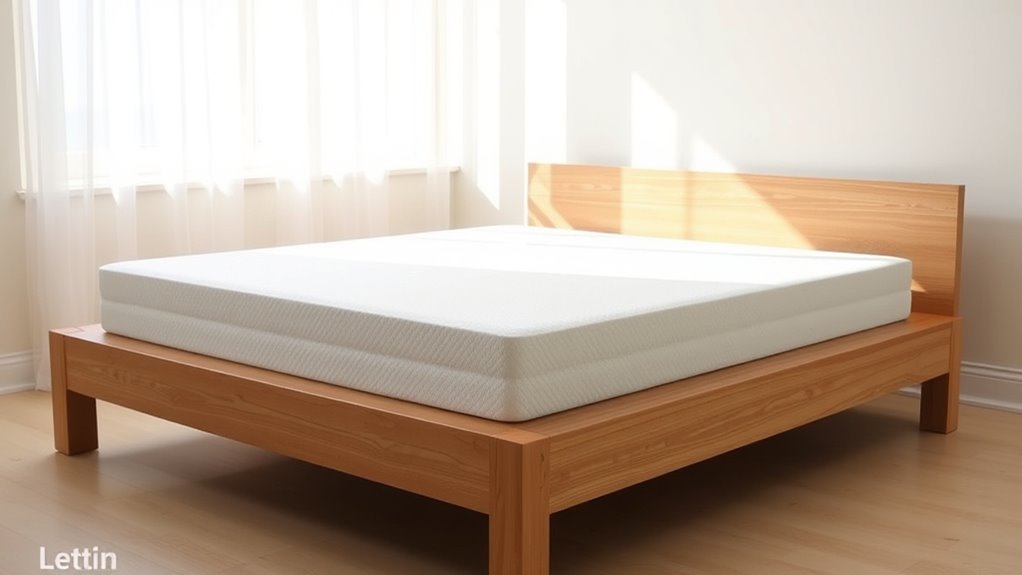
Choosing the right foundation plays a big role in how your memory foam mattress performs. Platform beds offer a solid base that provides excellent support without needing a box spring.
Many come with built-in slats or a solid base within the bed frame, creating a sturdy support system that prevents sagging and uneven wear. This foundation extends your mattress’s lifespan while maintaining comfort.
Platform beds typically sit lower to the ground, making it easier for you to get in and out of bed. When selecting a platform bed, ensure the slats are properly spaced and strong enough to support your memory foam mattress.
This promotes ideal airflow and overall mattress health. This combination of design and support makes platform beds a smart foundation choice.
The Role of Slat Foundations for Memory Foam Mattresses
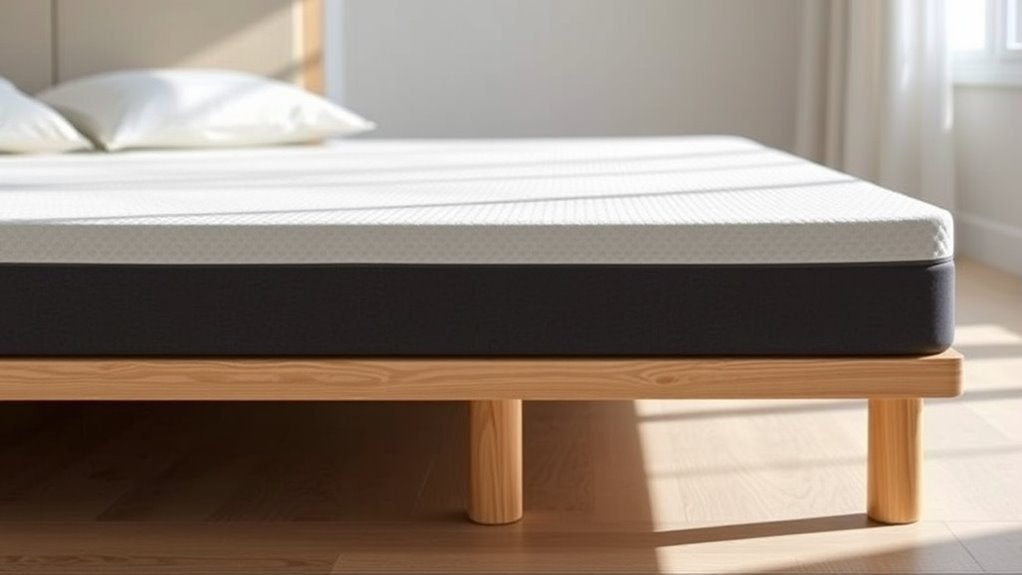
Although slat foundations might seem simple, they play a crucial role in supporting your memory foam mattress effectively. The slats in your bed frame must provide proper support by being no more than four inches apart to prevent sagging and extend your mattress’s lifespan.
Even spacing and secure attachment of the slats ensure a stable support system. Metal slats often deliver more rigid, consistent support compared to wooden ones, which can flex over time.
Following manufacturer guidelines on slat width and spacing is essential for maintaining the foundation’s integrity. Choosing the right slat foundations will give your memory foam mattress the support it needs, helping you avoid damage and enjoy lasting comfort without the necessity of a box spring.
Mattress Foundations Designed for Foam Mattresses
Since memory foam mattresses need firm, even support to maintain their shape and comfort, selecting the right foundation is essential. You should choose a support system that provides a flat, stable support surface, such as a platform bed, slat foundation, or solid foundation.
When using a slat foundation, make sure the slats are no more than 3 to 4 inches apart. This spacing helps deliver proper support and prevents sagging. Avoid traditional box springs, since their flexible coils don’t offer the consistent support memory foam requires.
Opting for foundation types designed specifically for foam mattresses helps preserve the mattress’s contouring and pressure-relieving qualities. Providing proper support not only enhances comfort but also extends the lifespan of your memory foam mattress and protects its warranty.
Adjustable Bed Frames and Memory Foam Compatibility
Foundations that offer firm, even support are key for memory foam mattresses, and adjustable bed frames fit this need perfectly. Unlike traditional setups, adjustable bed frames eliminate the need for a box spring, directly supporting your mattress while allowing height and angle adjustments.
This makes them an excellent support system, especially since memory foam mattresses require a flat foundation or a flexible base that maintains proper support. When selecting adjustable bases, ensure your memory foam mattress is specifically designed for adjustable bed frames to avoid damage and preserve warranty coverage.
Using a compatible support system not only enhances comfort but also extends your mattress’s lifespan by preventing sagging and uneven wear. So, adjustable bed frames offer both memory foam compatibility and functional versatility without the extra bulk of a box spring.
Which Bed Frames Require a Box Spring?
If you’re using a traditional innerspring mattress or a collapsible metal frame without built-in support, you’ll likely need a box spring.
But platform beds with solid surfaces or closely spaced slats usually don’t require one.
Always check your mattress manufacturer’s recommendations to be sure.
Bed Frames Needing Box
While many modern bed frames provide adequate support for memory foam mattresses without a box spring, certain types still require one to prevent sagging and uneven wear. If your bed frame has wide gaps between slats or uses a collapsible metal design, it often lacks the proper support system for memory foam.
Such frames compromise frame compatibility and can cause your mattress to wear unevenly. Additionally, flexible coil-based foundations are generally incompatible with memory foam due to their uneven support.
To ensure your mattress lasts, use a solid foundation or platform bed with closely spaced slats—ideally less than four inches apart. If your bed frame doesn’t meet these criteria, adding a box spring can provide the necessary support and stability your memory foam mattress needs.
Box Spring Exceptions
When do you actually need a box spring for your memory foam mattress? While most memory foam mattresses don’t require one, exceptions depend on your bed frame’s support system.
Consider these scenarios:
- Metal frames with wide slat spacing lack a solid surface and may need a box spring or extra foundation for proper support.
- Bed frames without a solid, flat surface—unlike platform beds—often can’t provide consistent support, making a box spring necessary.
- Traditional innerspring foundation bases aren’t designed for foam, so if your bed frame matches this type, adding a box spring helps maintain mattress integrity.
Always check your mattress and bed frame manufacturer’s guidelines. That way, you can be sure your support system meets the needs of your memory foam mattress.
Bed Frames That Eliminate the Need for a Box Spring
Because memory foam mattresses need a solid, even foundation, choosing the right bed frame can eliminate the need for a box spring altogether. Solid platform bed frames provide a sturdy, flat surface that offers excellent mattress support without extra layers.
Slat-supported frames with slats spaced less than four inches apart also give your memory foam the stability it requires, removing the necessity of a box spring. Adjustable beds are another great option, designed specifically to support foam mattresses and maintain proper alignment, replacing traditional foundations entirely.
Many modern bed frames come reinforced with built-in support bars to evenly distribute weight, promoting durability and better sleep quality. By selecting one of these bed frames, you’ll ensure your memory foam mattress stays well-supported without needing a box spring.
Signs You Should Replace Your Box Spring
If you notice your box spring sagging or hear persistent squeaks, it’s a clear sign you should consider replacing it. Your support system plays a vital role in mattress comfort and durability, so watch for these signs:
- Visible sagging or broken slats – Structural damage like this compromises the foundation and causes uneven support.
- Persistent squeaking or creaking – Worn components often lead to foundation failure and affect sleep quality.
- Uneven mattress surface – If your mattress warranty requires a sturdy base, an aging box spring with uneven support can void it.
Replacing a box spring at these warning signs helps maintain proper support and protects your mattress investment.
How Proper Support Extends Mattress Lifespan
You need firm support to keep your memory foam mattress in top shape and prevent sagging over time. The right foundation spreads your weight evenly, helping the foam maintain its bounce and shape longer.
Importance of Firm Support
When you provide firm, level support for your memory foam mattress, you help prevent sagging and uneven wear that can shorten its lifespan. Choosing the right foundation type is essential for consistent support and stability.
Here’s why firm support matters:
- A solid support system evenly distributes pressure, maintaining the mattress’s contouring properties.
- Incompatible or weak foundations cause soft spots and dips, which can lead to premature mattress failure.
- Rigid bases like platform beds or closely spaced slats offer ideal stability. Plus, they help preserve your warranty coverage.
Preventing Mattress Sagging
Providing firm, level support for your memory foam mattress not only maintains its comfort but also helps prevent sagging over time. Proper mattress support guarantees even pressure distribution, protecting the mattress’s structure and shape.
Using a sturdy foundation or platform bed frame is essential for supporting the mattress effectively and preventing sagging. Without a solid support system, memory foam can lose its ability to conform properly, reducing comfort and causing premature wear.
To extend your mattress’s lifespan, regularly inspect the bed frame and support system for any weaknesses or damage. Replacing broken slats or worn foundations promptly keeps your mattress well-supported, preserving its integrity.
Enhancing Foam Durability
Although memory foam mattresses offer excellent comfort, their durability heavily depends on proper support. A sturdy support system prevents uneven pressure distribution, which reduces premature sagging and indentations.
To enhance foam durability, focus on three key aspects:
- Choose a solid platform or closely spaced slats as your supporting base to ensure consistent support. This helps keep everything balanced and sturdy.
- Maintain or replace your foundation regularly to avoid structural weaknesses that can accelerate mattress wear. Don’t wait until you notice problems!
- Ensure the support system evenly distributes pressure across the mattress, preserving foam integrity and shape. This way, your mattress stays comfy and lasts longer.
Factors to Consider When Choosing Mattress Support
Since memory foam mattresses rely on firm, even support to maintain their shape and comfort, you’ll want to choose a foundation that prevents sagging and uneven wear.
When selecting a support system, consider compatibility with your mattress and its specific support requirements. A solid platform bed or a slatted base with closely spaced slats offers ideal firmness.
Avoid traditional box springs with flexible coils, as they often cause uneven support and reduce mattress lifespan. Also, make sure your bed frame accommodates the chosen foundation for stability.
| Support Type | Firmness Level | Compatibility |
|---|---|---|
| Platform Bed | High | Excellent for memory foam |
| Slatted Base | Medium-High | Must have narrow slats |
| Box Spring | Low | Not recommended |
| Adjustable Base | High | Supports warranty compliance |
| Bed Frame | Varies | Must fit foundation properly |
Frequently Asked Questions
Do I Need a Boxspring if I Have a Memory Foam Mattress?
You don’t need a box spring for your memory foam mattress. Instead, use a firm, flat surface like a platform bed or solid foundation to guarantee proper support.
This helps avoid voiding your mattress warranty or causing sagging. So, stick to something sturdy and flat for the best results!
Why Are People No Longer Buying Memory Foam Mattresses?
You’re seeing fewer people buy memory foam mattresses because they’re heavier and less breathable. Some folks just prefer hybrid options instead.
Plus, newer mattresses offer better durability and support. That makes traditional memory foam less appealing nowadays.
What Is the Best Thing to Put Under a Memory Foam Mattress?
The best thing to put under your memory foam mattress is a firm, flat surface like a platform bed or a solid foundation with slats no wider than 3 inches.
You want to avoid traditional box springs because they can cause sagging. Trust me, a solid base really helps your mattress last longer and feel more comfortable.
Why Are People No Longer Using Box Springs?
People no longer use box springs because they provide uneven support, which can damage memory foam mattresses.
You’ll want a firm, flat foundation like a platform bed to keep your mattress durable and comfortable for years.
It just makes more sense to give your mattress a solid base.
That way, it stays in great shape and feels better every night.
Conclusion
Choosing the right support for your memory foam mattress is essential—it can extend its lifespan by up to 50%. You don’t always need a box spring; platform beds or sturdy slats often do the trick.
Adjustable frames work well too, giving you comfort and proper support. Keep an eye out for sagging or noise in your current foundation—that’s a sign it’s time for a replacement.
Remember, good support means better sleep and a longer-lasting mattress. So whether you choose a box spring, platform bed, or adjustable frame, pick one that suits your mattress and sleeping style. Proper support not only protects your memory foam mattress but also enhances your overall sleep quality.