How Do Memory Foam Mattresses Last Longer?
To make your memory foam mattress last longer, start by rotating it every 3 to 6 months. This helps guarantee even wear and keeps your mattress feeling comfortable.
Using a quality mattress protector is also a smart move—it prevents spills and keeps allergens at bay.
Keep your mattress dry and well-ventilated to avoid moisture buildup.
Supporting it with a sturdy bed frame is key, too, as it helps prevent sagging.
Also, try to avoid exposing your mattress to excess heat or direct sunlight since that can speed up foam breakdown.
Want to know how to spot signs of wear and keep your mattress comfy for years? There’s plenty more to discover, so stick around!
Taking these simple steps can really extend the life of your memory foam mattress and improve your sleep quality.
Key Takeaways
– Rotate the memory foam mattress every 3 to 6 months to ensure even wear and prevent sagging.
This simple step can really help your mattress last longer by keeping it in good shape.
– Use a high-quality mattress protector to guard against spills, allergens, and moisture buildup.
It’s a small investment that protects your mattress from stains and keeps it fresh.
– Support the mattress with a sturdy bed frame or foundation to maintain its shape and durability.
A solid base prevents unnecessary wear and helps the foam keep its form over time.
– Keep the mattress dry and well-ventilated by airing it out regularly in a sunny, dry environment.
Fresh air and sunlight can do wonders for preventing moisture and mold buildup.
– Follow manufacturer cleaning instructions and avoid rough handling to prevent foam breakdown and damage.
Treat your mattress gently, and it’ll stay comfy and supportive for years.
Average Lifespan of Memory Foam Mattresses
How long can you expect your memory foam mattress to last? Typically, memory foam mattresses have a lifespan of 6 to 10 years, with an average around 7 to 8 years.
The durability largely depends on the mattress’s quality and density—higher-density foam usually offers better support and resists sagging longer. Over time, wear and tear will cause aging signs like sagging and reduced support, especially after the 7-year mark.
However, proper maintenance can help extend your mattress’s lifespan by minimizing premature wear. Paying attention to the mattress’s density and overall quality when purchasing can make a big difference in how well it holds up.
Key Factors That Affect Mattress Durability
Although memory foam mattresses can last several years, their durability depends on several key factors you should consider. First, the material quality plays a crucial role; higher-density foam generally offers better durability and resists wear longer.
Your weight and sleeping position affect how pressure points develop, with heavier sleepers and side sleepers causing faster foam breakdown. Environmental factors like humidity, heat, and sunlight exposure also accelerate material degradation.
Proper support matters too—a sturdy bed frame or foundation prevents sagging and maintains structural integrity. Lastly, consistent maintenance, including rotating the mattress and using protective covers, helps distribute wear evenly and prolongs the mattress’s life.
Practical Tips to Maximize Mattress Longevity
To get the most out of your memory foam mattress, you should follow specific care routines that prevent premature wear. Rotate your mattress every 3 to 6 months to ensure even wear and prevent sagging.
Using a high-quality mattress protector is a smart move. It shields against spills, dust, and allergens, which helps reduce wear and tear over time.
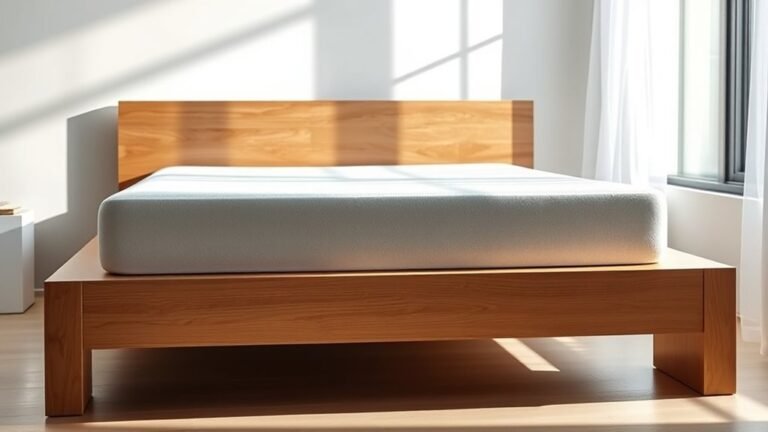
Make sure your bed frame is supportive—a sturdy slatted or platform base maintains proper support and helps prevent sagging.
Also, keep your sleep area dry and well-ventilated. Regularly air out the mattress on sunny days to avoid moisture buildup, which can damage the foam.
Follow manufacturer cleaning guidelines carefully, and try to avoid jumping or rough handling. This will help safeguard the foam’s integrity.
Recognizing When It’s Time to Replace Your Mattress
When your memory foam mattress starts showing visible sagging or you wake up with aches and pains, it’s a clear sign you need to contemplate a replacement. A saggy mattress with noticeable indents signals support loss and comfort deterioration, common signs of aging after 6 to 10 years of use.
Wear and tear reduce your mattress lifespan, causing support decline that no longer cushions your body properly. If you often toss and turn or feel unrefreshed despite enough sleep, these symptoms point to the need for an early replacement.
Don’t ignore persistent aches or allergy flare-ups, as they indicate your mattress has worn out. Once these signs appear, it’s wise to replace your mattress to preserve sleep quality and prevent further discomfort.
Benefits of Proper Mattress Maintenance and Replacement
Proper mattress maintenance and timely replacement play a crucial role in preserving your memory foam mattress’s comfort and longevity. By regularly rotating your mattress every 3 to 6 months, you distribute wear and tear evenly, extending its lifespan.
Using a mattress protector guards against moisture buildup, preventing mold and odors that degrade foam. Ensuring proper support with a sturdy bed frame reduces sagging and keeps your mattress durable.
Good maintenance also means keeping your mattress dry and well-ventilated to avoid premature breakdown. When you notice discomfort or sagging, timely replacement is essential to maintain sleep quality and prevent health issues.
Following these practices helps your memory foam mattress last longer, providing consistent comfort and support night after night. It’s really worth the effort to keep your mattress in good shape!
Frequently Asked Questions
How Long Does the Average Memory Foam Mattress Last?
The average memory foam mattress lasts about 6 to 7 years. But if you choose higher-density foam and take good care of it, you can expect it to last closer to 10 years before needing a replacement.
What’s the Best Way to Clean a Mattress?
You should spot clean stains with mild detergent and cold water. Vacuum regularly to keep it fresh. Just be sure to avoid soaking the mattress.
Using a waterproof protector is a smart move. Air it out on sunny days whenever you can. And always follow the manufacturer’s cleaning instructions to keep things safe and effective.
What Mattress to Stay Away From?
Don’t fall for mattresses that crumble like dry leaves—avoid low-density foam, cheap innersprings with thin coils, chemical-heavy materials, flimsy support layers, and those lacking reinforced edges.
These won’t give you lasting comfort or durability. Trust me, it’s worth investing in something that holds up over time.
Why Are People No Longer Buying Memory Foam Mattresses?
You’re seeing fewer people buy memory foam mattresses because they worry about sagging, heat retention, and chemical odors.
Plus, alternatives like latex and hybrids offer better durability, cooling, and eco-friendly options that appeal more now.
Conclusion
To make your memory foam mattress last longer, you’ve got to treat it like a prized treasure—handle it with care and attention. By understanding what affects its durability and following practical maintenance tips, you can stretch its comfort well beyond the average lifespan.
Remember, knowing when to replace your mattress is just as important as caring for it. With the right balance, your mattress will continue to support your dreams night after night.
Taking good care of your memory foam mattress means regular cleaning, rotating it often, and keeping it dry to prevent damage. These simple steps help maintain its shape and comfort for years to come.
In the end, proper maintenance is key to extending the life of your mattress. If you want your memory foam mattress to last longer, focus on care, cleaning, and timely replacement. Doing so ensures you enjoy restful sleep and lasting support every night.