Do You Need Box Springs for a Memory Foam Mattress?
You don’t need box springs for a memory foam mattress because it performs best on a solid, flat surface that provides even support. Memory foam mattresses need a stable base to maintain their shape and comfort.
Using box springs can cause uneven weight distribution and may shorten your mattress’s lifespan by allowing sagging.
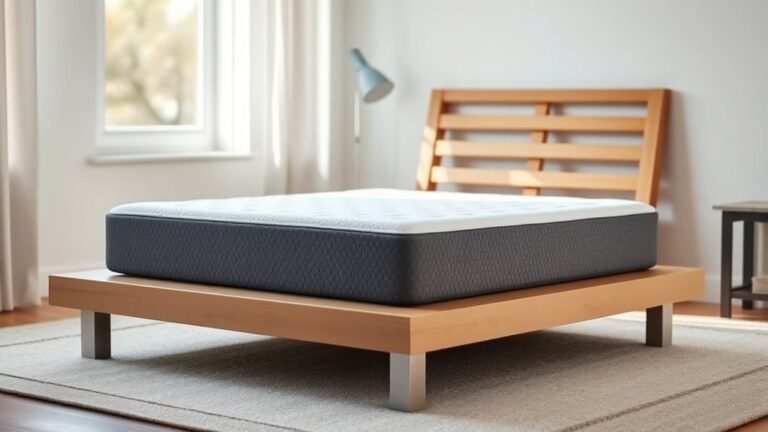
Instead, opt for a platform bed, a slatted base with closely spaced slats, or a sturdy foundation for proper support. These options help your mattress stay firm and comfortable over time.
If you want to guarantee your mattress lasts and feels its best, exploring your support options can make all the difference. So, ditch the box springs and give your memory foam mattress the support it truly needs!
Key Takeaways
- Memory foam mattresses perform best on solid, flat surfaces rather than traditional box springs. Box springs can cause uneven support, leading to sagging and reduced mattress lifespan.
- Platform beds with closely spaced slats or solid foundations are recommended alternatives. They provide the steady support memory foam needs to maintain its shape and comfort.
- Using box springs may raise bed height, which some people like, but it can compromise memory foam’s contouring benefits. You want your mattress to hug your body properly, and uneven support gets in the way of that.
- Proper support is key to keeping your mattress in good shape, ensuring durability and airflow. Unfortunately, box springs often fail to provide these essentials, so it’s better to choose a solid base.
What Is a Box Spring and How Does It Work?
A box spring is a sturdy base made from a wooden or metal frame filled with springs or coils that support your mattress. It acts as a mattress foundation, sitting between your mattress and bed frame to provide both support and shock absorption.
The coils inside the box spring distribute weight evenly, reducing wear on your mattress and enhancing durability. This bed base elevates your mattress height and adds a bit of bounce, improving comfort and resilience.
Unlike solid support or slatted foundations, a box spring’s spring system offers a unique combination of firmness and flexibility. While traditional innerspring mattresses benefit from a box spring, it serves primarily as a foundation to protect your mattress and work in harmony with your bed frame.
Why Memory Foam Mattresses Usually Don’t Need Box Springs
Although box springs work well with traditional mattresses, they usually aren’t necessary for memory foam. Memory foam mattresses are designed to perform best on a solid support or flat surface, which provides consistent mattress support and helps prevent sagging.
Box springs, with their spring mechanism, can create uneven support that compromises the mattress’s support system and reduces its lifespan. Most manufacturers recommend using a platform bed, slatted base, or sturdy foundation to guarantee your memory foam mattress stays properly supported.
These options offer the rigid, flat surface memory foam needs to maintain its shape and comfort. So, rather than relying on box springs, choose a support system that promotes durability and keeps your mattress in top condition.
Best Alternatives to Box Springs for Memory Foam Mattresses
Since box springs aren’t the best match for memory foam mattresses, you’ll want to contemplate support options that keep your mattress stable and comfortable.
A slatted platform bed with wooden slats spaced closely together offers excellent support for your mattress while promoting airflow.
Solid foundations, like a solid base or bunkie board, also provide even support and prevent sagging.
Many bed frames are compatible with these foundation options, making your bed setup both sturdy and reliable.
Choosing the right foundation ensures your memory foam mattress maintains its shape and durability.
Whether you opt for a slatted platform or a bunkie board, these alternatives outperform traditional box springs in supporting your mattress effectively and prolonging its lifespan.
Pros and Cons of Using a Box Spring With Memory Foam
When you use a box spring with a memory foam mattress, you might notice issues with support and durability. A traditional box spring isn’t flat and stable, which can lead to improper mattress support and reduce sagging prevention.
While a box spring may raise bed height and add bounce, this often compromises the contouring benefits memory foam offers. On the plus side, box springs are widely available foundation options and can improve airflow underneath, but their coil-based design tends to flex too much.
For proper support, memory foam needs a firm, flat support surface like a platform bed or bunkie board. Using the right foundation guarantees your mattress maintains its shape and longevity, something a box spring may not reliably provide.
How to Choose the Right Support for Your Memory Foam Mattress
If you want your memory foam mattress to last and feel comfortable, you need to choose the right support foundation. Opt for foundation types that provide a solid foundation, like platform beds or bunkie boards, to avoid sagging and ensure even weight distribution.
Slatted support works well too, but make sure the slats are closely spaced—generally within 3 inches—to offer proper support. Avoid traditional box springs, as their spring-based design can cause uneven wear and shorten your mattress lifespan.
Choosing the right support option also helps sustain adequate airflow, which regulates temperature and keeps your mattress fresh. By selecting the proper support, you’ll protect your investment and enjoy the full comfort and durability your memory foam mattress offers.
Frequently Asked Questions
Is It Bad to Have a Mattress Without a Box Spring?
It’s not bad at all; you actually want a firm, flat surface for your memory foam mattress. Skipping the box spring prevents sagging, extends mattress life, and keeps your bed at a comfortable height for easy access.
What Are People Using Instead of Box Springs?
Picture a sleek platform bed or a sturdy bunkie board supporting your mattress.
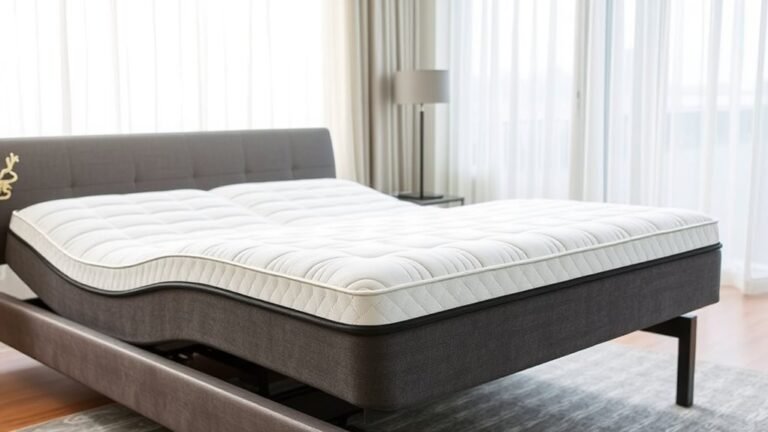
You’re likely using these, adjustable bases, or slatted frames with tight spacing instead of box springs.
These options keep your memory foam comfy and well-supported.
Does a Box Spring Make a Mattress Last Longer?
No, a box spring won’t make your memory foam mattress last longer. It can actually cause sagging and wear.
Instead, use a solid, flat foundation or tightly spaced slats to keep your mattress supportive and durable. This way, you help your mattress stay in great shape for years.
Are Box Springs a Thing of the Past?
Box springs are practically ancient history now! You don’t really need them anymore because modern foundations provide better, firmer support for memory foam mattresses.
They keep your bed comfy and durable without adding unnecessary height or wear. So, it’s kind of a no-brainer to switch things up if you haven’t already.
Conclusion
When it comes to memory foam mattresses, you usually don’t need a box spring to get the support you deserve. Remember, “a stitch in time saves nine”—choosing the right foundation now can save you discomfort later.
Opt for sturdy platforms or slatted bases that keep your mattress in top shape. These foundations provide the right support and airflow, which is essential for memory foam mattresses.
By picking the right support, you’ll enjoy better sleep and extend your mattress’s life without unnecessary extras. So, if you’re wondering, “Do you need box springs for a memory foam mattress?” the answer is typically no. Instead, focus on a solid, supportive base designed for memory foam to keep your mattress comfortable and long-lasting.